
The Reo of Wai Ariki
The meanings and stories woven through Wai Ariki Hot Springs and Spa
What does Wai Ariki mean?
Wai Ariki means “Chiefly Waters”, a name that reflects the significance of wai (water), hauora (wellbeing) and mana (prestige, dignity and cultural authority) within Wai Ariki Spa and its Ngāti Whakaue foundations.
Throughout Wai Ariki Hot Springs and Spa in Rotorua, te reo Māori (the Māori language) is woven through names, artwork, architecture and wellness experiences, connecting manuhiri (guests) with the stories, values and geothermal landscape that continue to shape this place.
Here, language is more than translation. Each name carries a relationship to place, purpose and whakapapa (ancestral connection), helping visitors understand the connections between wai, whenua (land), people and Hauora.
Wai Ariki: The story of “Chiefly Waters”
The name Wai Ariki, reflects the precious nature of wai (water) and its role in restoration, wellbeing and mana. Across the destination, water sits at the heart of the experience, from geothermal bathing and mud therapies to steam, contrasting temperatures and quiet moments overlooking Lake Rotorua and Mokoia Island.
The name is also connected to the pūrākau (traditional story) of Ngātoroirangi, the renowned tohunga (expert, navigator and spiritual leader) of Te Arawa.
When Ngātoroirangi was overcome by cold while climbing Tongariro, the maunga (mountain), he called to his sisters, Kuiwai and Haungaroa, asking them to send warmth. In response, they sent the ahi tupua (supernatural fire beings) Te Hoata and Te Pupu. As they travelled beneath the whenua (land), geothermal activity emerged along their path before warmth eventually reached Tongariro. This journey connects the arrival of geothermal heat with the cultural narrative carried throughout Wai Ariki Hot Springs and Spa.
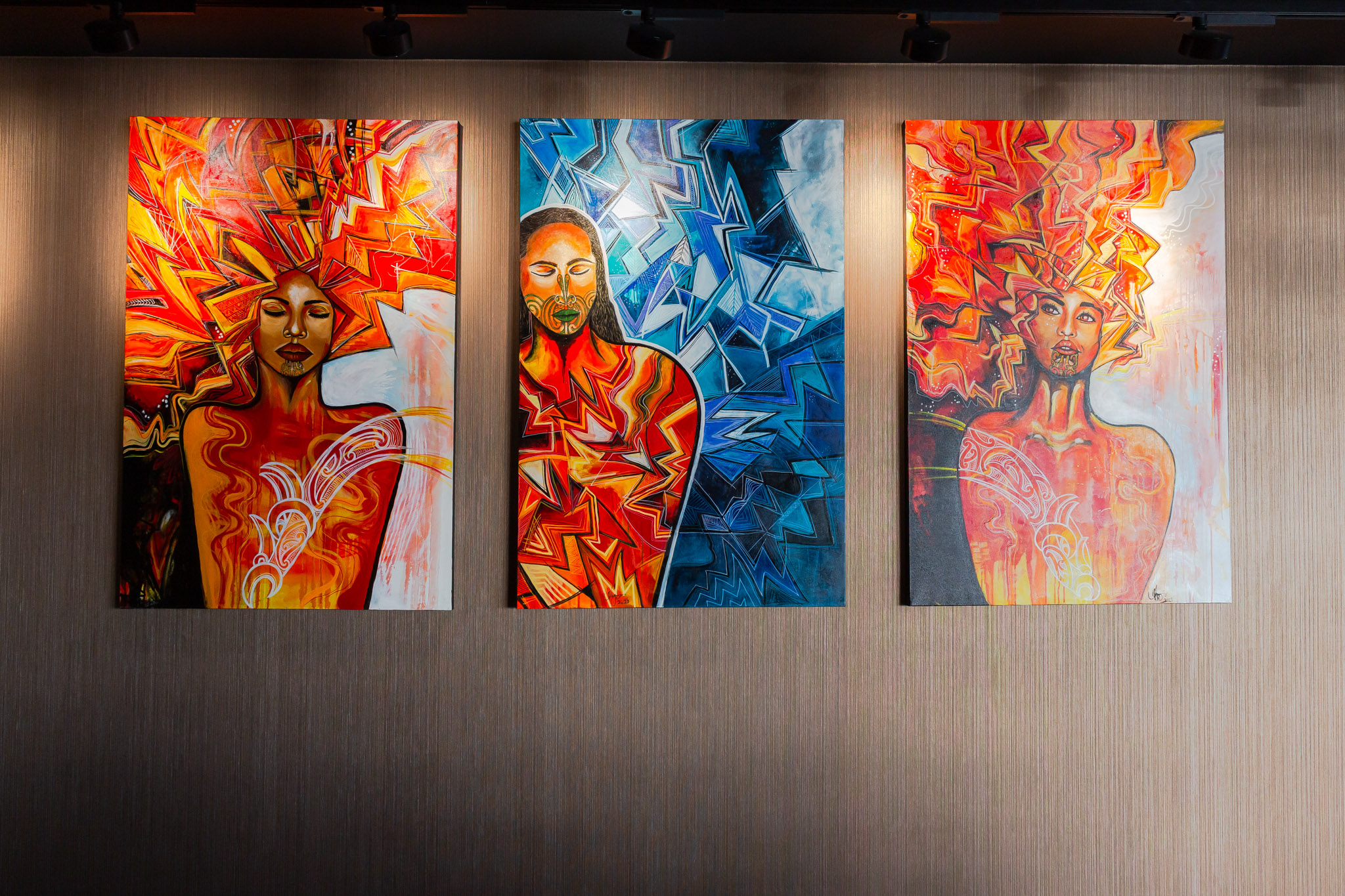
Today, this pūrākau is expressed throughout Wai Ariki Spa in multiple ways. Paintings depicting Ngātoroirangi, Kuiwai and Haungaroa bring the story into the physical environment, while Ngā Pou Ahi (Pillars of Fire) represent Te Hoata and Te Pupu. At Te Tukinga, Wai Ariki Spa’s Tongariro Fire & Ice Caves, guests move between intense cold and geothermal warmth, physically experiencing the contrasts at the heart of the narrative.
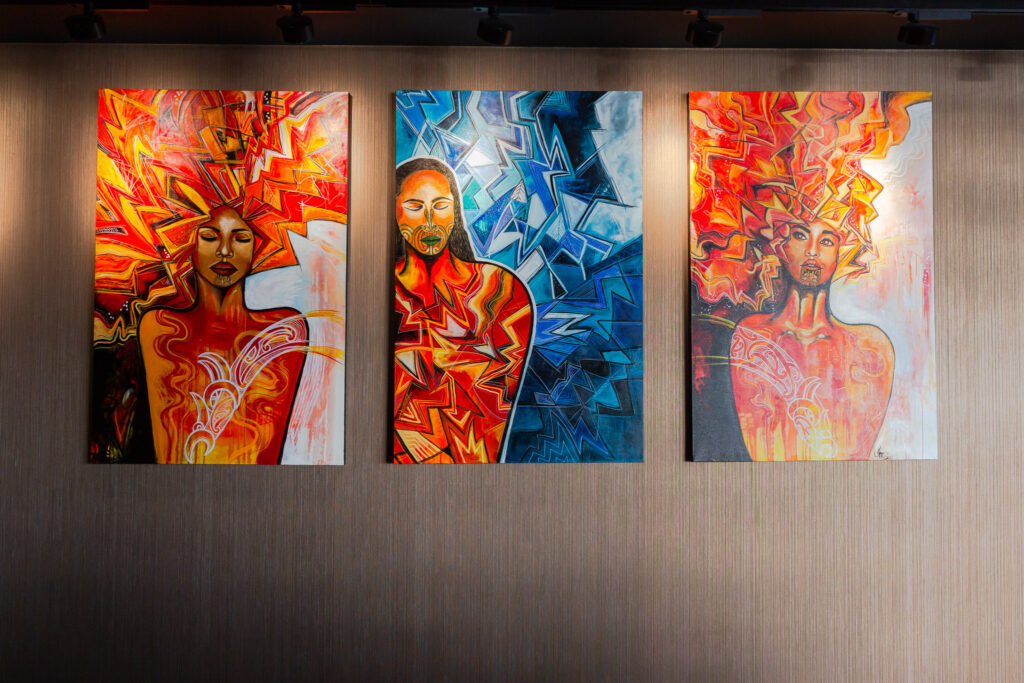
Artwork by Ngāti Whakaue artist Renata Curtis depicting the pūrākau of Ngātoroirangi, Kuiwai and Haungaroa through contrasting fire and ice imagery within Āhuru Mōwai, The Sanctuary.
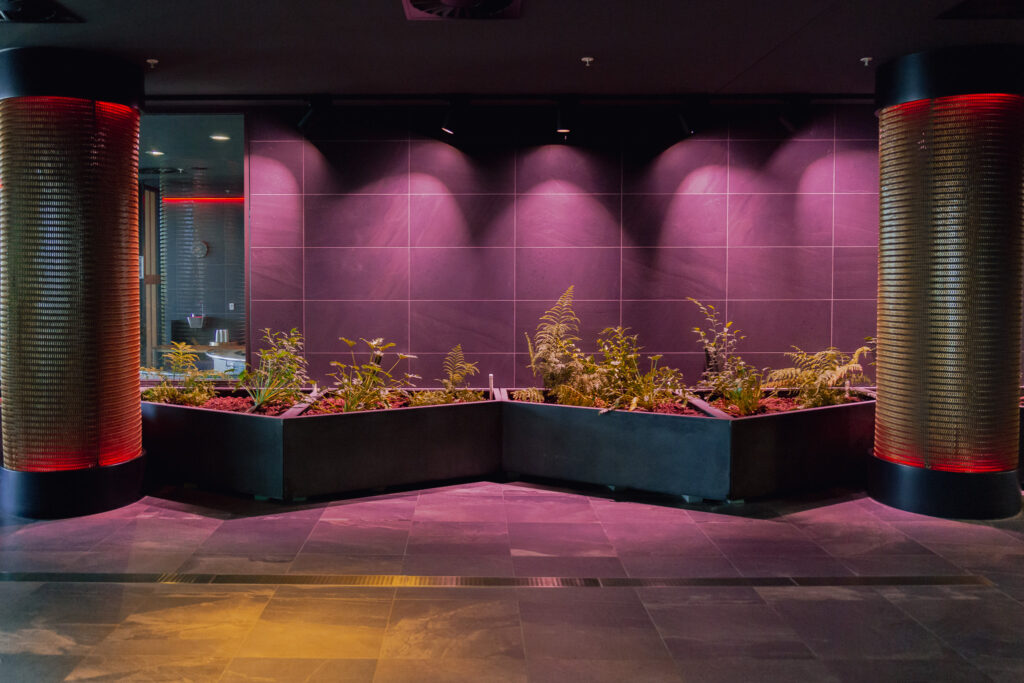
Ngā Pou Ahi (Pillars of Fire) at Te Tukinga represent Te Hoata and Te Pupu, the ahi tupua sent by Kuiwai and Haungaroa to bring warmth to Ngātoroirangi.
The story begins before you enter
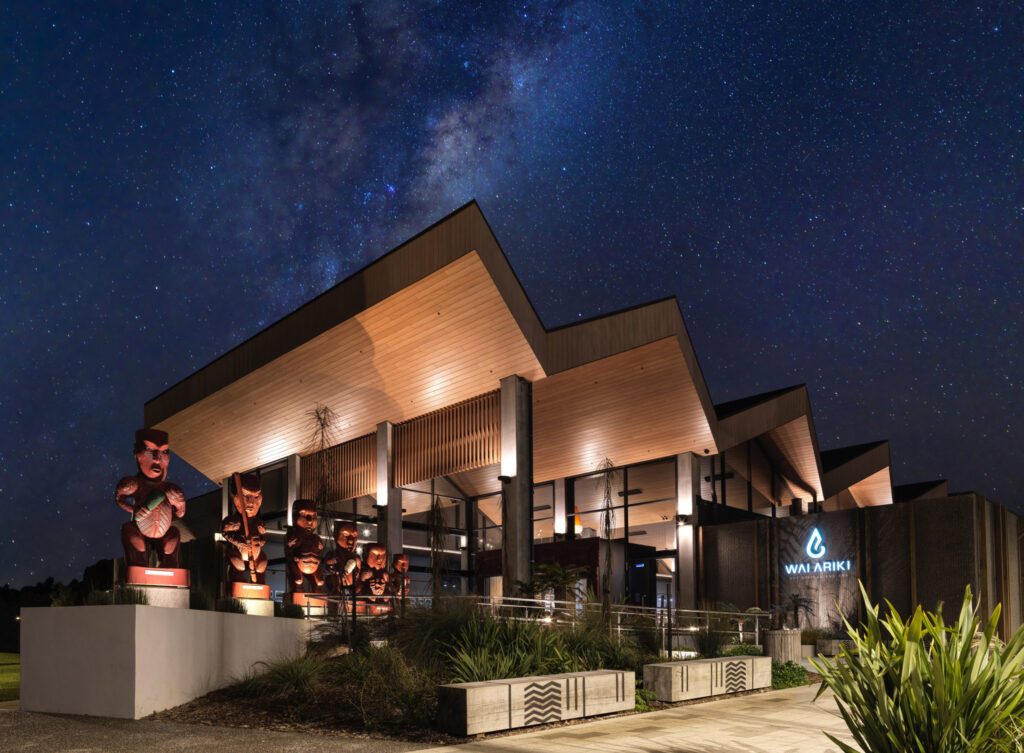
Before entering the spa, manuhiri (guests) encounter six significant Ngāti Whakaue koromātua (respected ancestors) represented through carved forms. These ancestral leaders reflect the whakapapa, values and stories that continue to shape Ngāti Whakaue today.
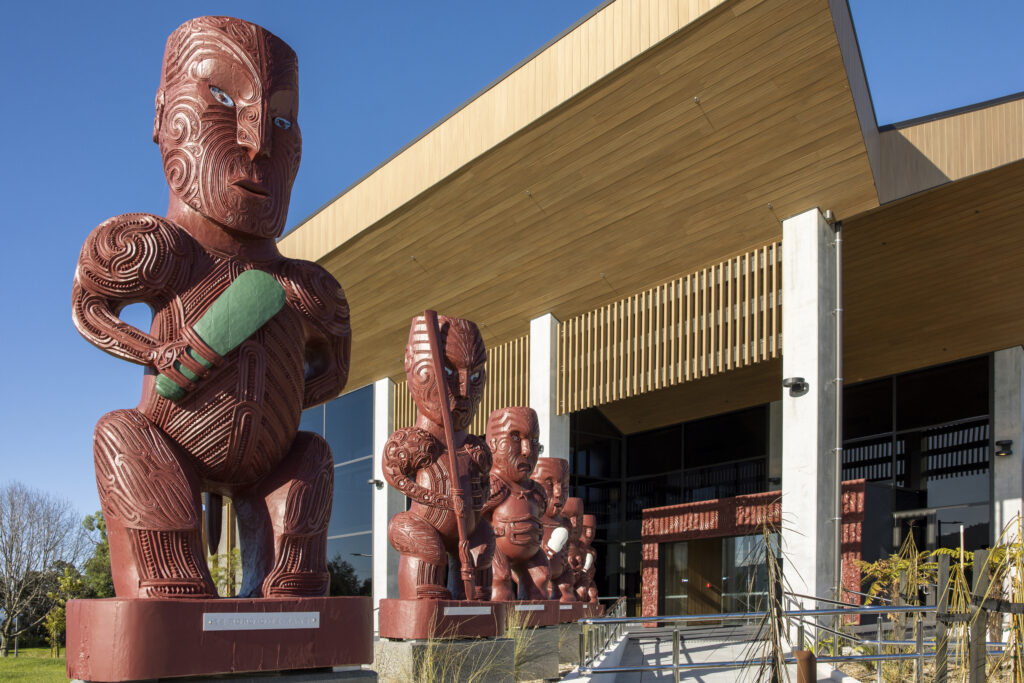
Carved representations of six significant Ngāti Whakaue koromātua (respected ancestors) stand at the entrance to Wai Ariki Hot Springs and Spa. 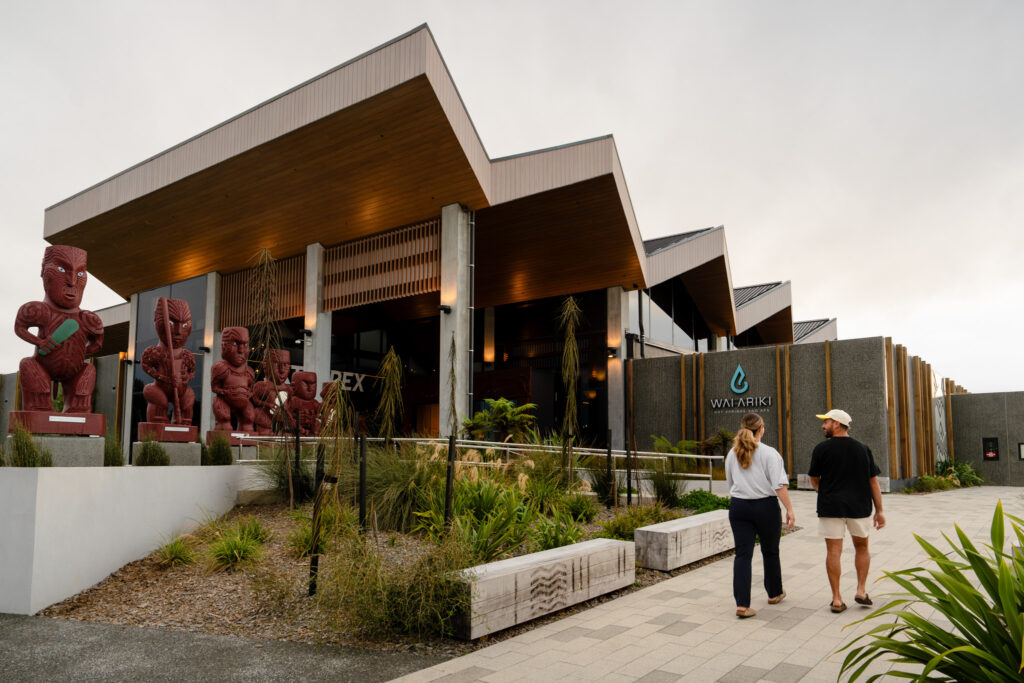
The six koromātua welcome manuhiri (guests) at the entrance, reflecting the whakapapa (ancestral connection), values and stories of Ngāti Whakaue.
The six koromātua are Tūnohopū, Te Roro o Te Rangi, Taeotū, Te Rangiiwaho, Pūkākī and Hurungaterangi, whose stories speak of courage, leadership, compassion, endurance and responsibility to people and place. Their presence at the entrance reflects the role of these ancestors as kaitiaki (guardians), watching over the whenua (land) and the people who continue to be shaped by it.
The entrance also features a pare (carved lintel) and whakawae (carved side panels), elements traditionally found at a wharenui (meeting house). Together, they express protection, connection to tūpuna (ancestors) and the spiritual realm while carrying the story of Ngātoroirangi and the arrival of geothermal energy.
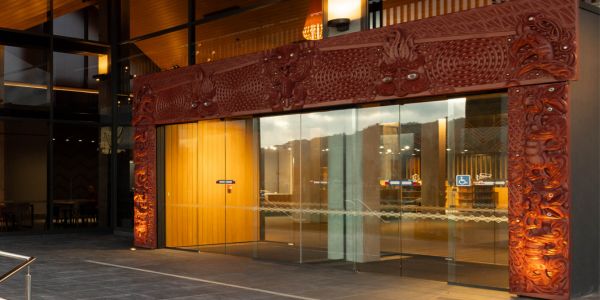
Together, these elements signal that visitors are entering more than a spa destination. They are entering a place shaped by Ngāti Whakaue identity, memory and pūrākau.
Stories carried through the spaces
Above the destination, Te Tuanui (the roof structure) takes the form of a stylised Te Arawa waka (canoe). The bow points towards Maketū, where Te Arawa made landfall, while the stern points towards Tongariro, the mountain climbed by Ngātoroirangi.
The roof design represents a journey. Just as ancestors travelled across oceans and landscapes, guests begin their own journey towards restoration and wellbeing.
This sense of movement continues through Te Ara Moana (ocean journey), a pattern seen throughout the destination. It recalls the voyage of the Te Arawa waka across Te Moana-nui-a-Kiwa (the Pacific Ocean) towards Aotearoa and acknowledges the navigation, courage and discovery carried within that journey.
For manuhiri, Te Ara Moana also serves as a reminder that restoration is a journey shaped by reflection, movement and reconnection.
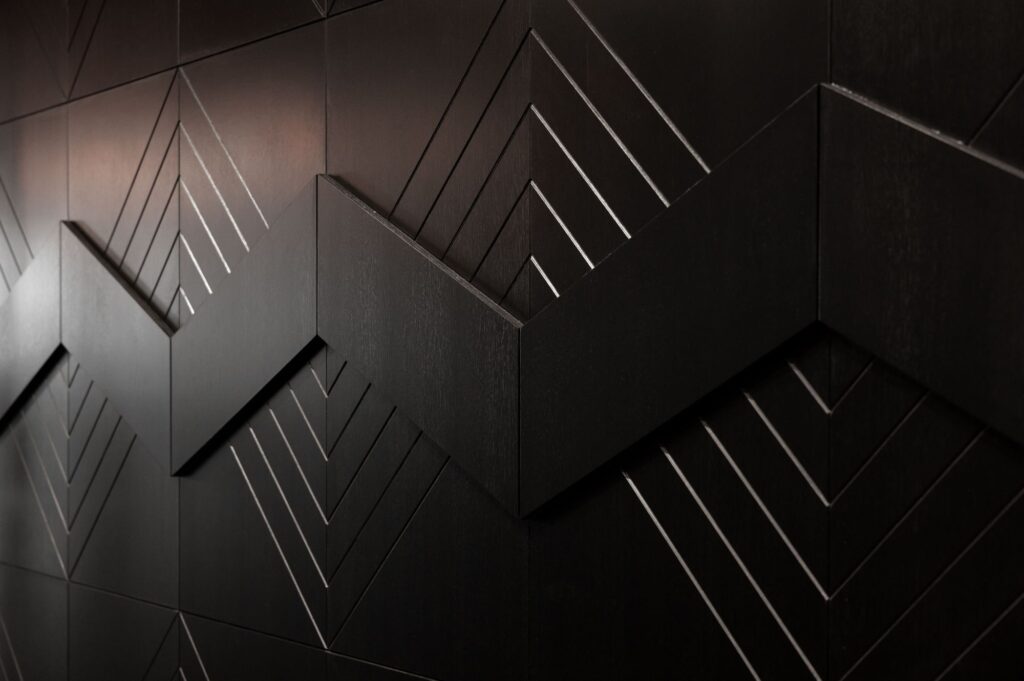
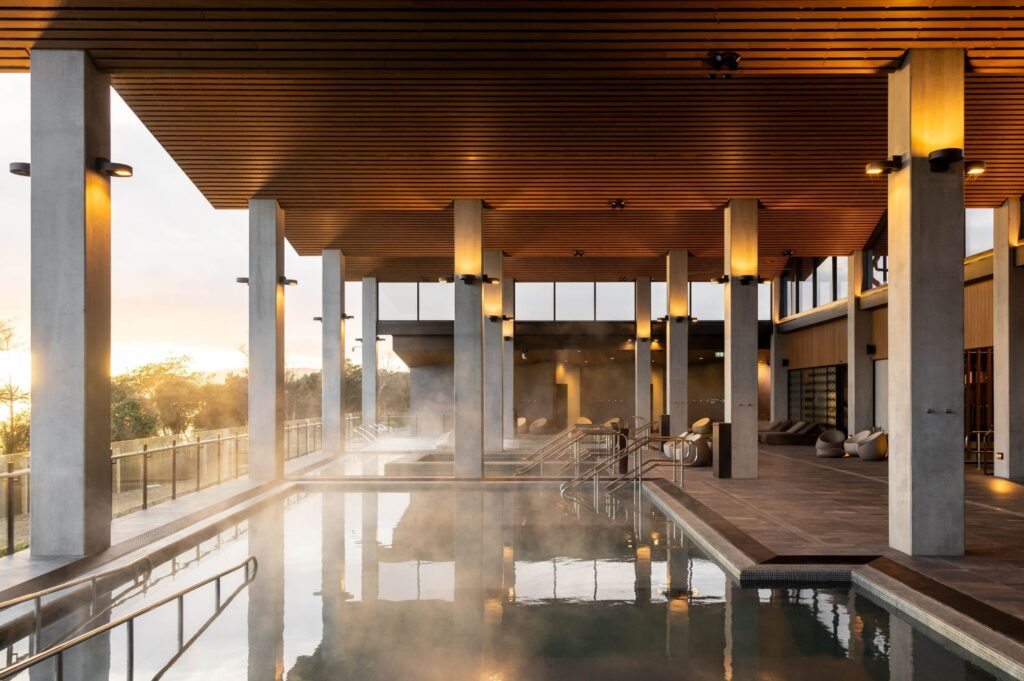
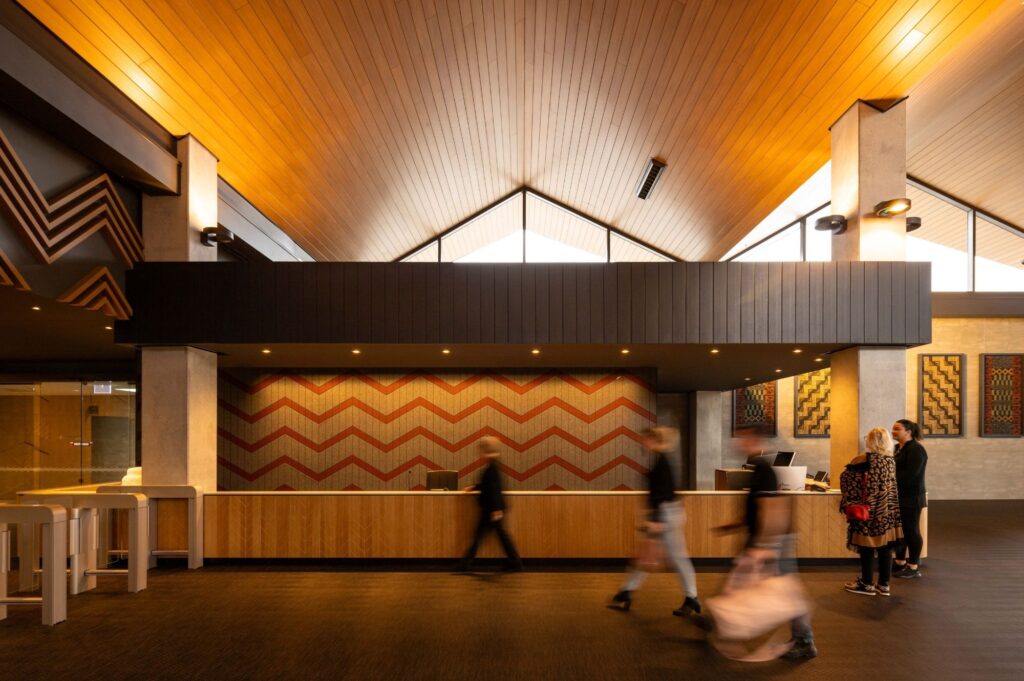
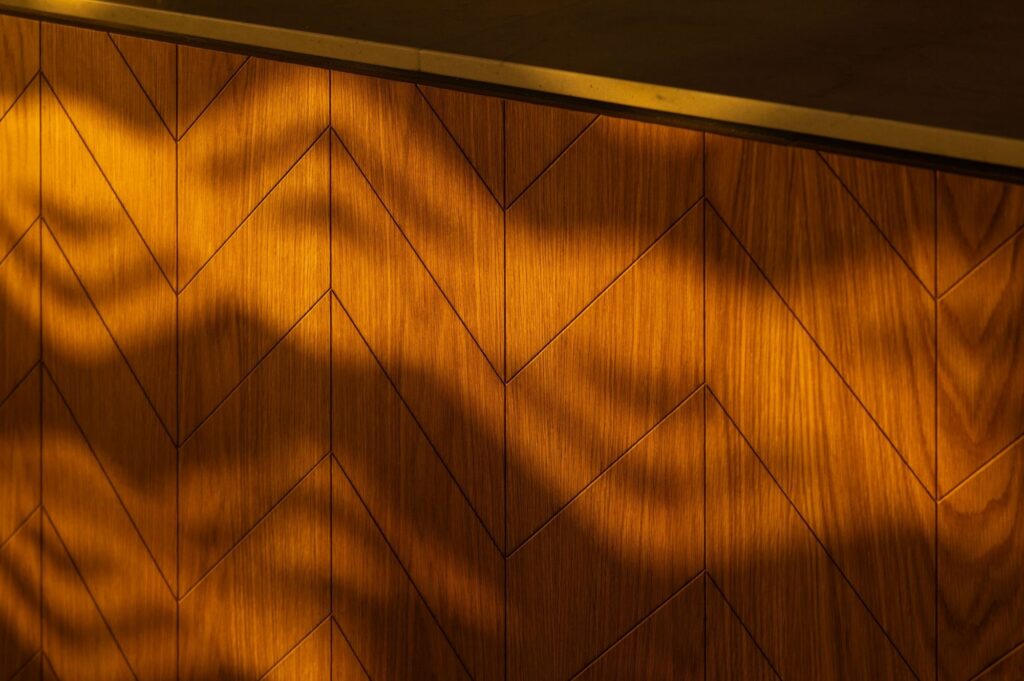
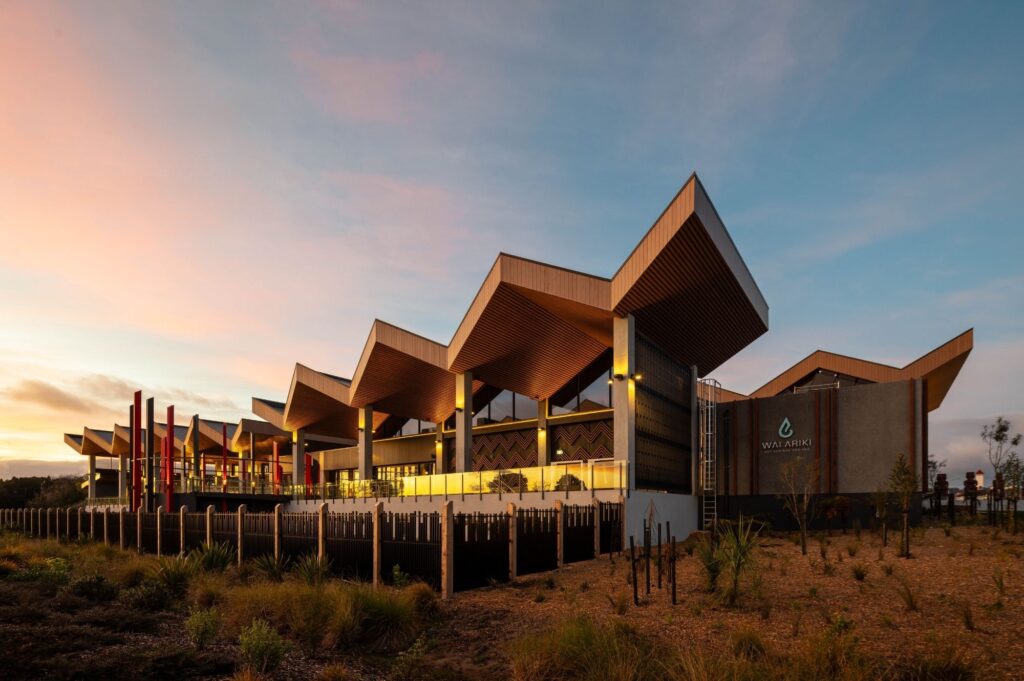
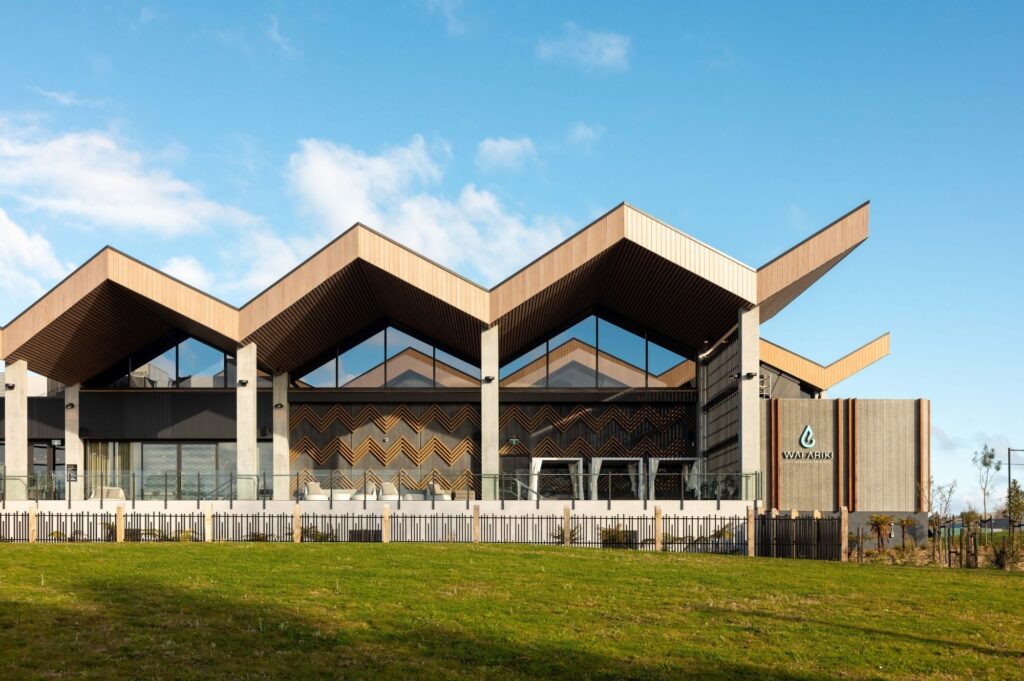
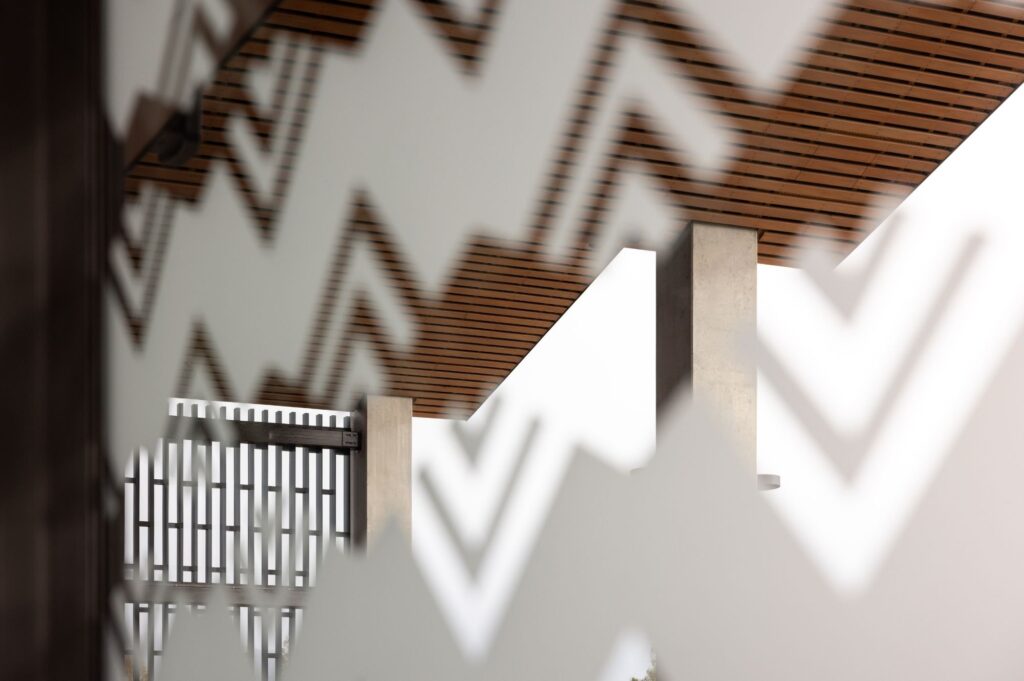
Te Ara Moana (ocean journey) appears throughout Wai Ariki Hot Springs and Spa, recalling the voyage of the Te Arawa waka across Te Moana-nui-a-Kiwa (the Pacific Ocean). Expressed through architecture, surface patterns and interior design, it represents movement, navigation, discovery and the personal journey of restoration undertaken by manuhiri (guests).
Stories Held Within the Tukutuku
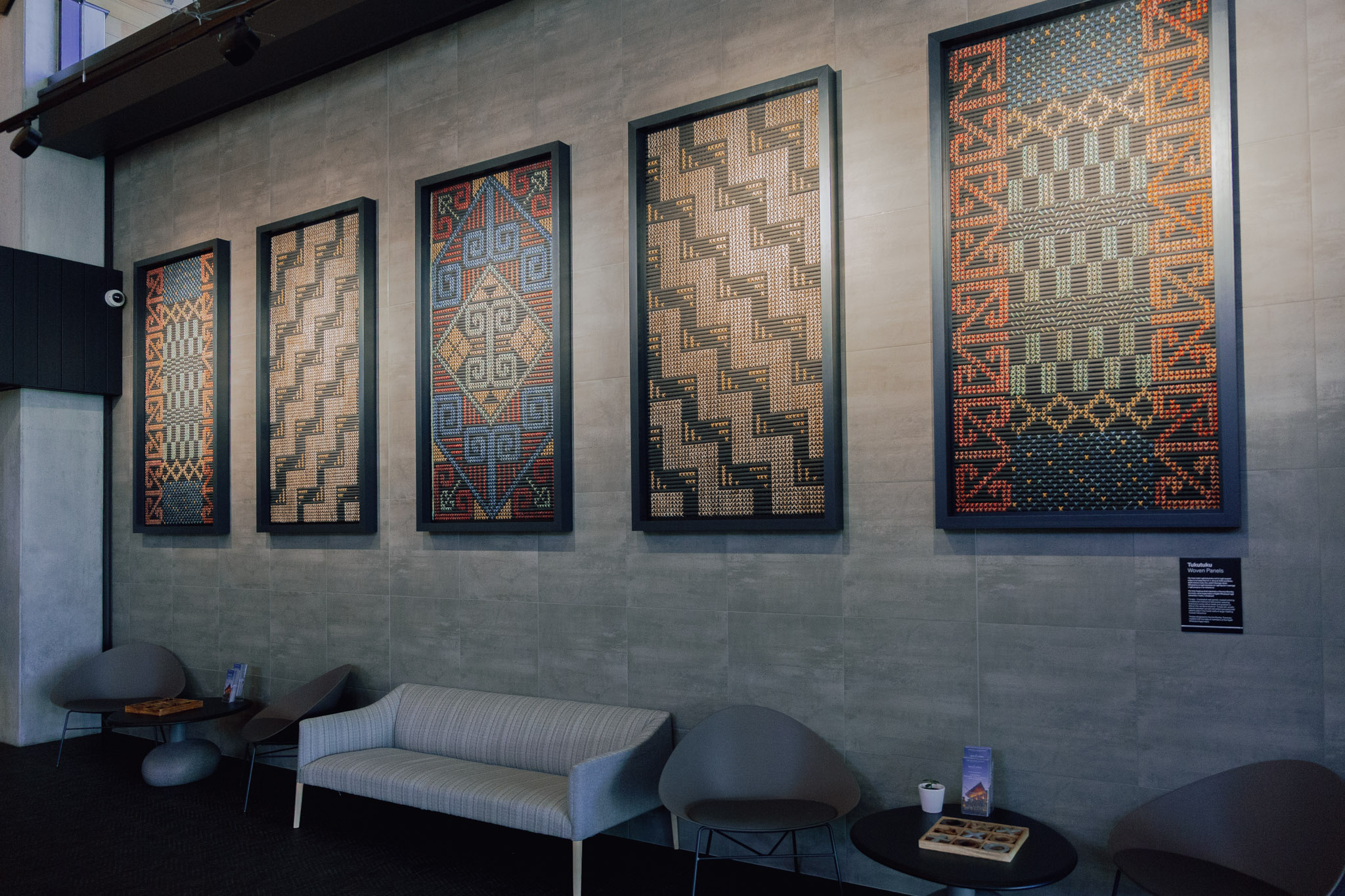
Throughout the spa, tukutuku (woven panels) carry stories of knowledge, navigation, resilience and manaakitanga (hospitality, generosity and care).
Designed by Norma Sturley and crafted by members of Ngāti Whakaue using pīngao (golden coastal sedge) and harakeke (flax), the panels transform walls into cultural storytelling.
Some patterns speak of growth and discovery. Te Ara Poutama represents the ongoing pursuit of knowledge, while Purapura Whetū recalls the stars that guided ancestral voyagers across Te Moana-nui-a-Kiwa.
Others reflect community and resilience. Pātiki symbolises abundance and hospitality, while Roimata Toroa speaks of perseverance, navigation and strength through times of challenge.
Within the kōwhaiwhai (painted decorative patterns), koru and pītau motifs draw inspiration from unfurling fern fronds and represent renewal, peace and the continuing cycle of growth.
Together, these artworks remind visitors that the toi (art) of this place is not decoration around the experience. It is part of the experience itself.
Wai Whakaora: Waters of restoration
Wai Whakaora means waters of restoration, renewal and wellbeing. It is the Māori name for the signature two-hour, seven-stage restorative journey.The experience combines cultural storytelling with geothermal heat, wai (water), mud, steam and contrasting temperatures.
The seven stages are:
• Te Hihiri, Mauri Blessing Stone
• Wairere, Waterfall Showers
• Te Tukinga, Tongariro Fire & Ice Caves
• Te Taiwhanga Matua, Lake View Thermal Pools
• Te Wheako Paru, Geothermal Mud Lounge
• Kohu Wai Ariki, Steam Room
• Te Ngao, Mauri Blessing Stones
The journey begins at Te Hihiri, where guests gather around the Mauri Blessing Stone made from tuhua (obsidian) sourced from Maketū. A karakia (blessing or prayer) written by Dr Anaha Hiini prepares guests for the experience and encourages connection between physical, mental and spiritual wellbeing. This understanding of hauora reflects Te Whare Tapa Whā, a Māori wellbeing framework that recognises the importance of physical, mental, spiritual and whānau (family and community) wellbeing working together.
From there, the journey moves through water, mud, steam and geothermal heat before concluding at Te Ngao. The experience deliberately creates both a beginning and an ending, reinforcing the idea that restoration is a journey rather than a single moment.
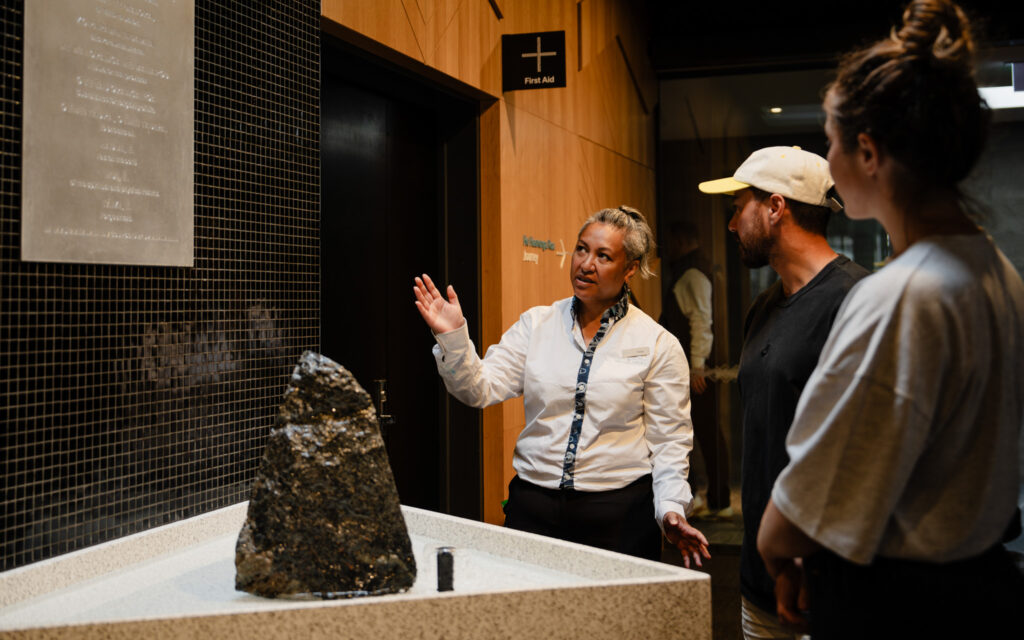
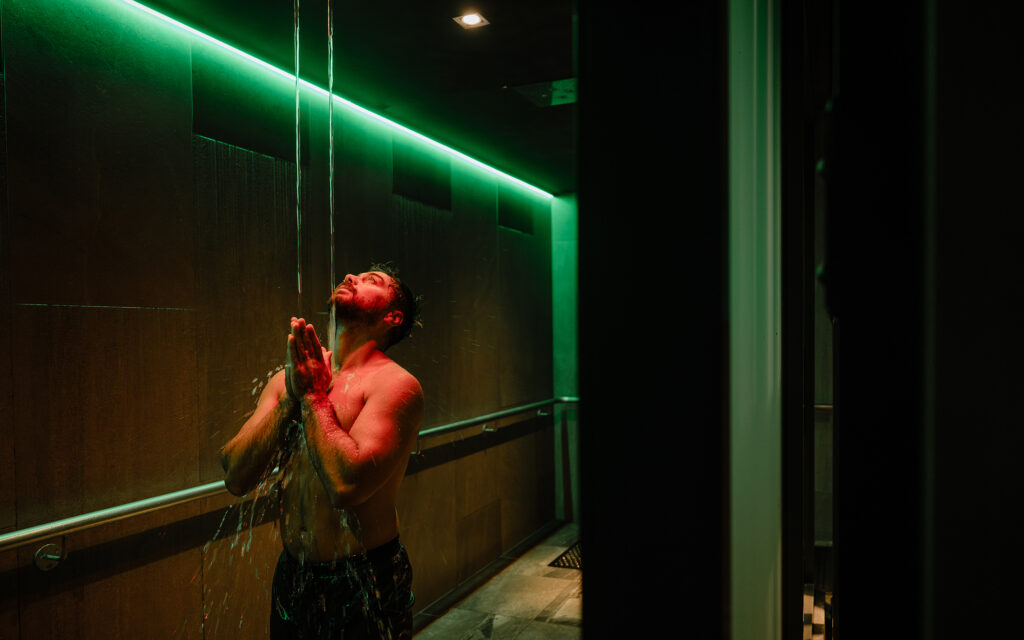
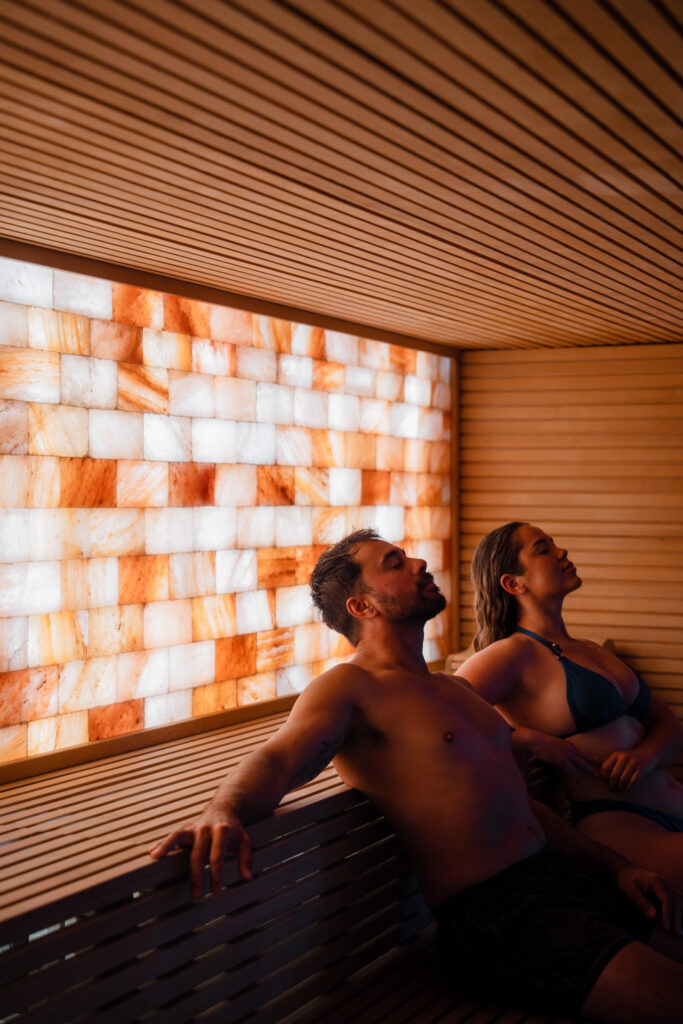
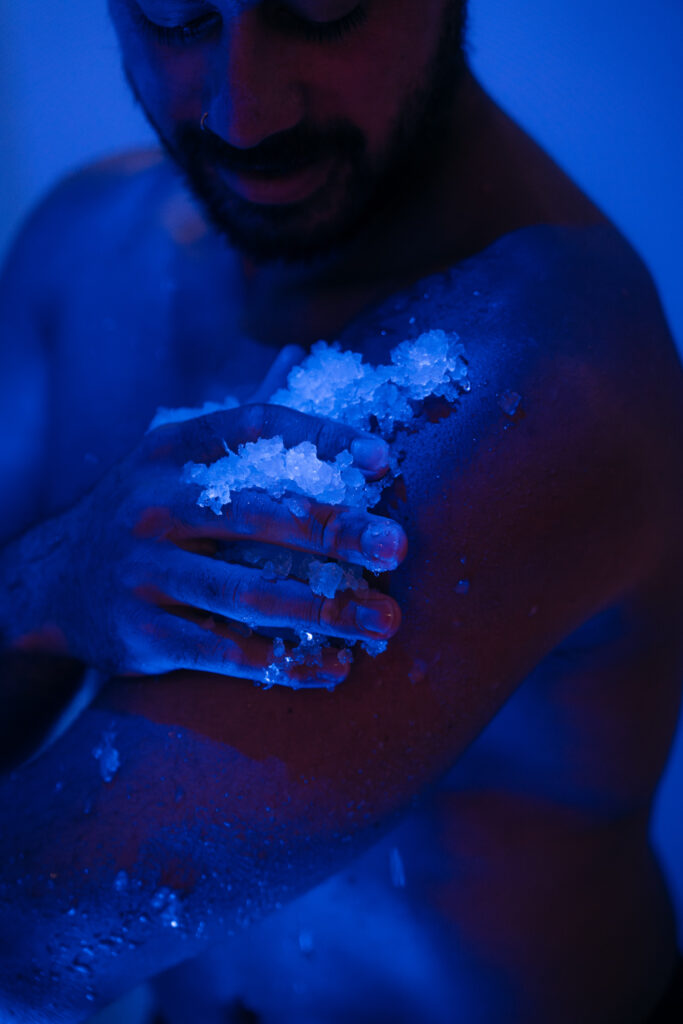
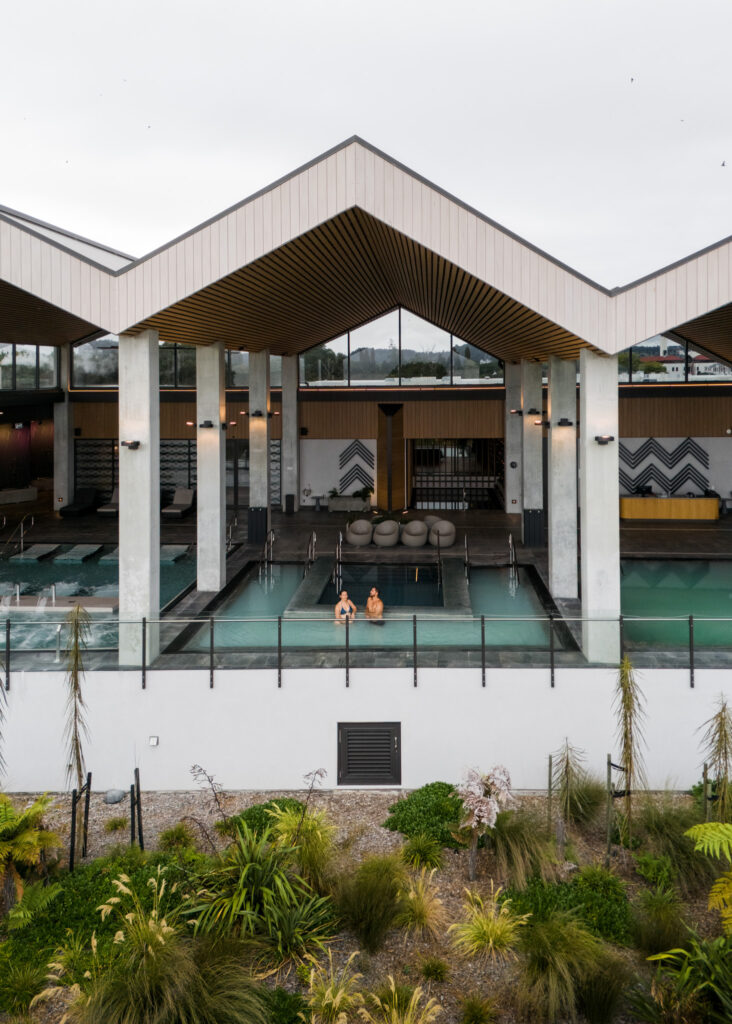
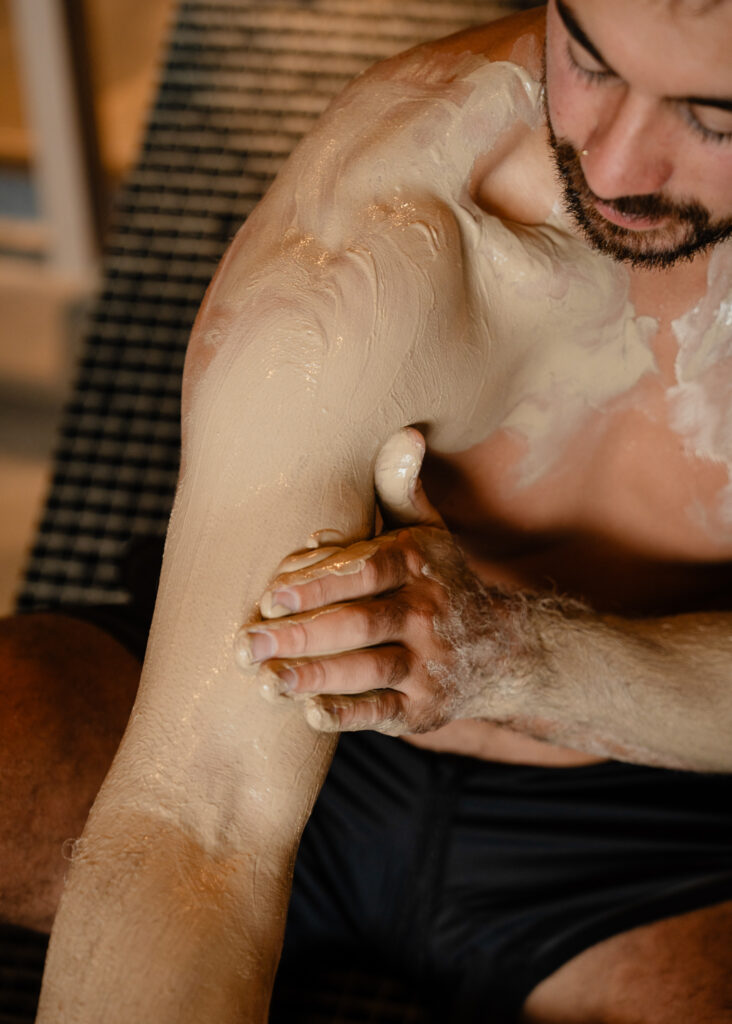
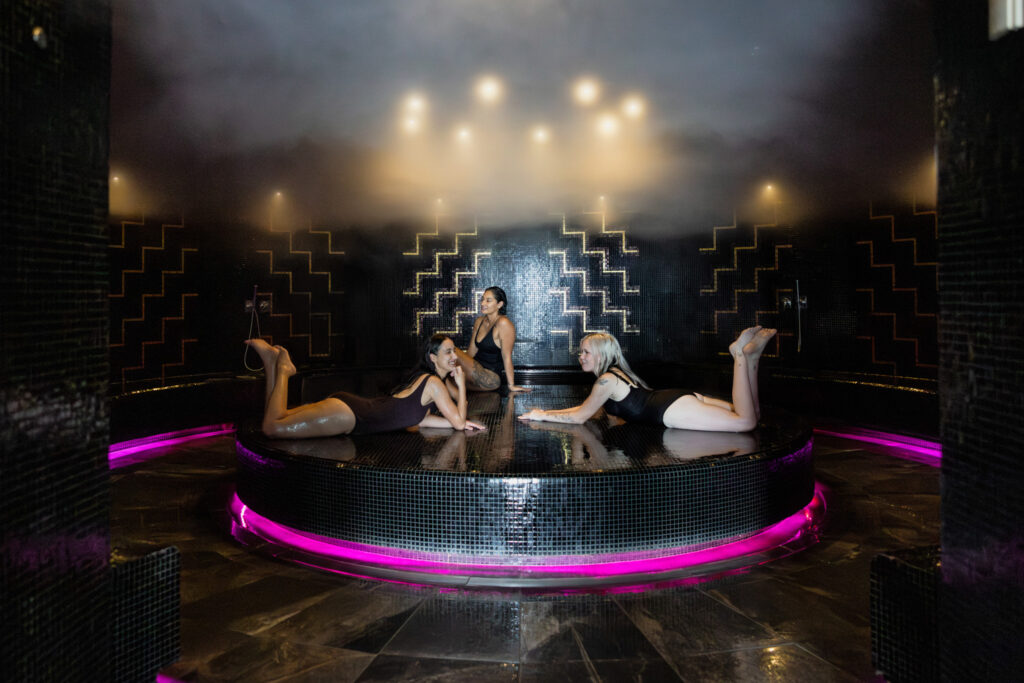
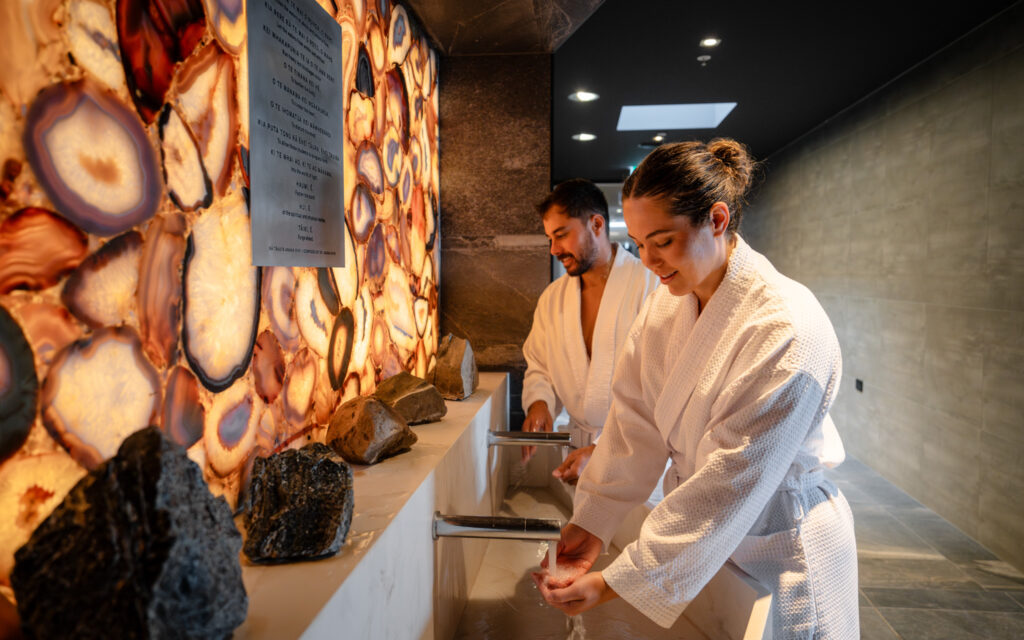
Wai Whakaora means waters of restoration, renewal and wellbeing. The signature two-hour journey moves through seven culturally grounded stages incorporating wai (water), geothermal heat, mud, steam and contrasting temperatures, guiding manuhiri through a restorative experience that begins and ends with connection to mauri (life force).
Beyond Wai Whakaora
While Wai Whakaora is the signature wellness journey, it is only one part of the wider experience. Throughout the destination, other spaces, treatments and bathing experiences also carry Māori names that reflect their purpose, setting and cultural significance.
Like Wai Ariki and Wai Whakaora, these names offer more than a direct translation. They provide insight into the intention behind each experience and the stories woven throughout this place.
Names that describe the experience
Āhuru Mōwai
A sheltered place of comfort and peace
Āhuru Mōwai is the name of The Spa Sanctuary. It speaks of a sheltered place of comfort and peace, reflecting the stillness and restoration found within the space. Here, guests can experience two geothermal pools, a thermally heated stargazing pool and treatments shaped by te ao Māori (the Māori worldview) within a setting created for stillness, comfort and restoration.
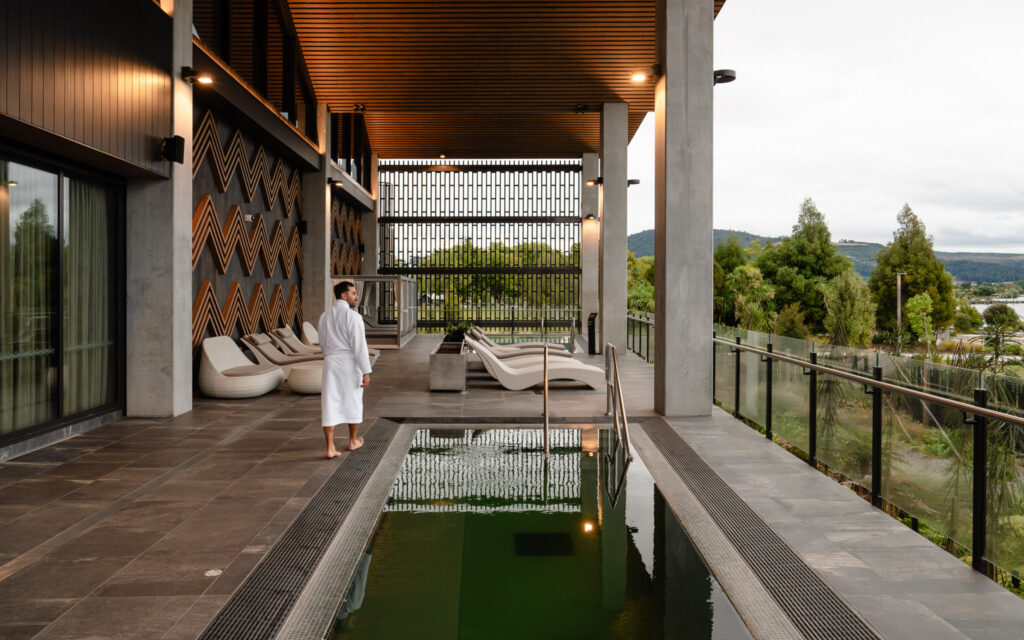
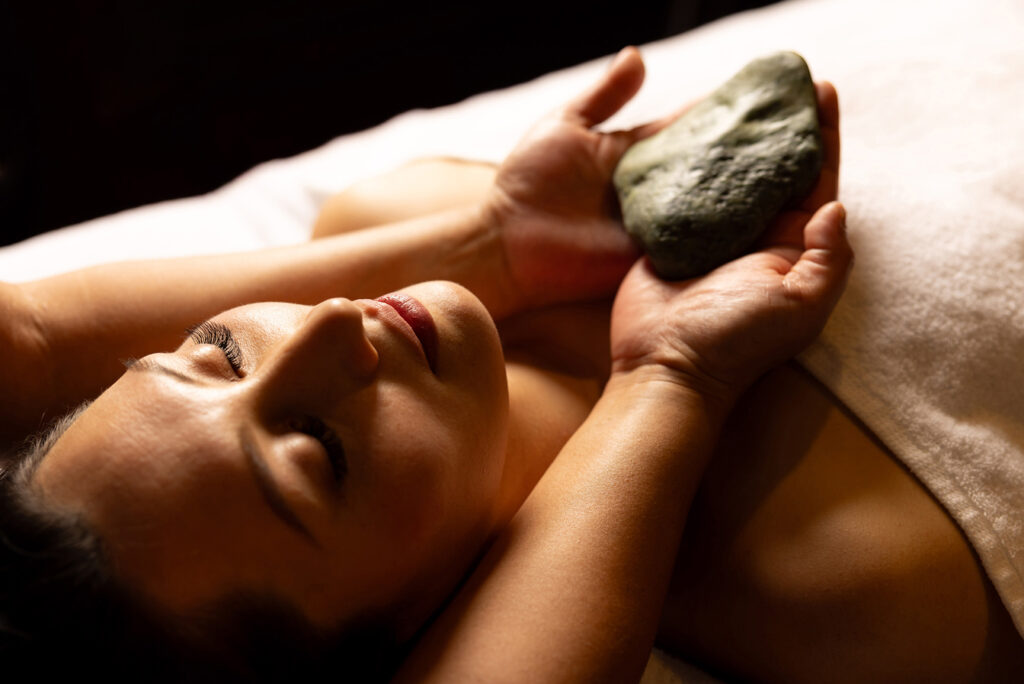
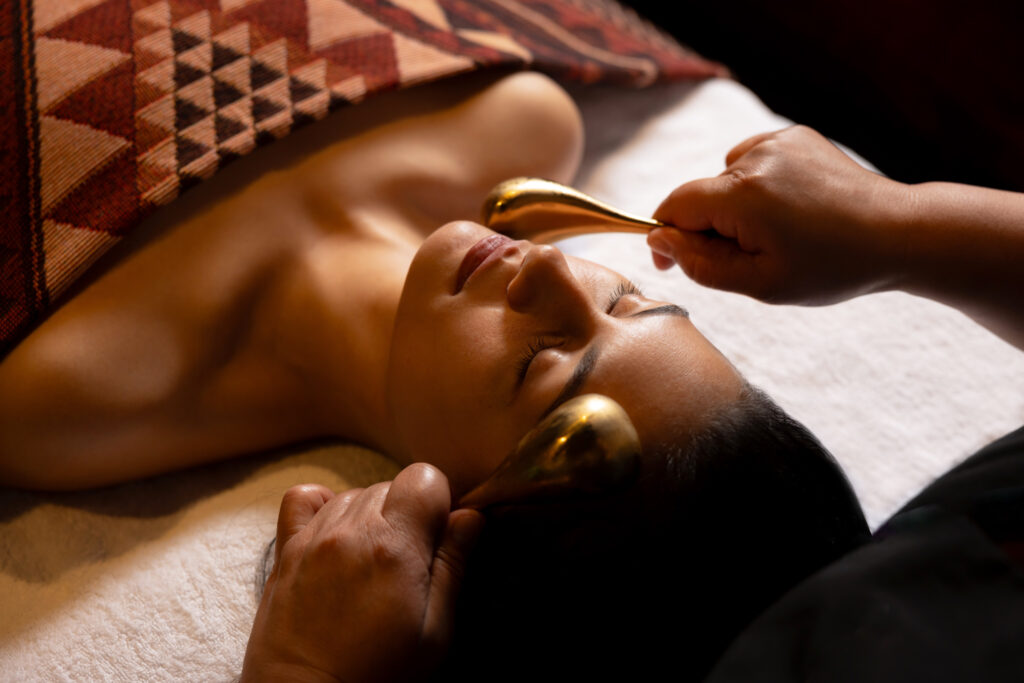
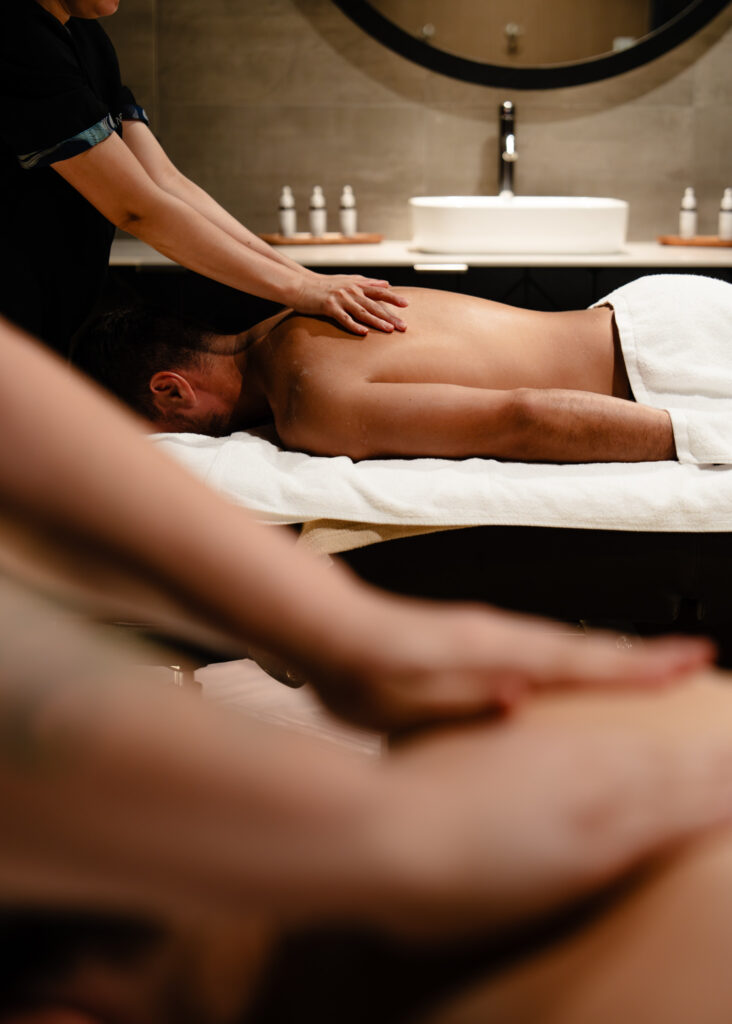
Āhuru Mōwai, meaning a sheltered place of comfort and peace, is Wai Ariki Spa’s Sanctuary. Geothermal bathing experiences and treatments are offered within a space designed for stillness, comfort and restoration.
Ngāwhā
Hot springs
Ngāwhā literally means geothermal springs or hot springs. It is the name of our 75-minute Ngāwhā Sensory Ritual, where guests bathe in individual tubs filled with geothermal water and apply products as part of a self-directed experience. Inspired by the geothermal wai that has shaped Rotorua for generations, the ritual offers a personal connection to the geothermal landscape and waters of this place.
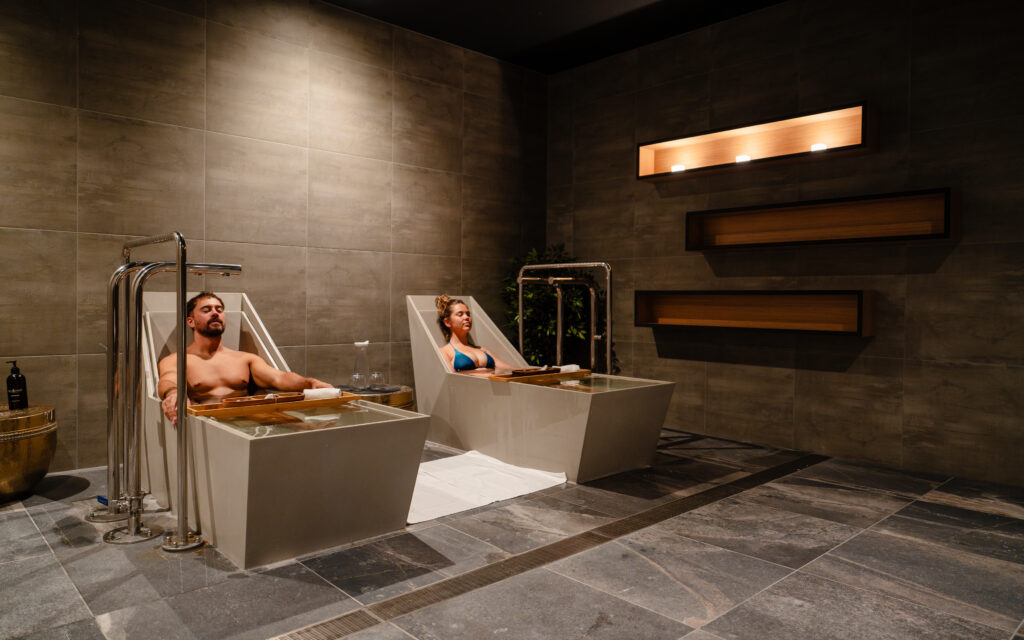
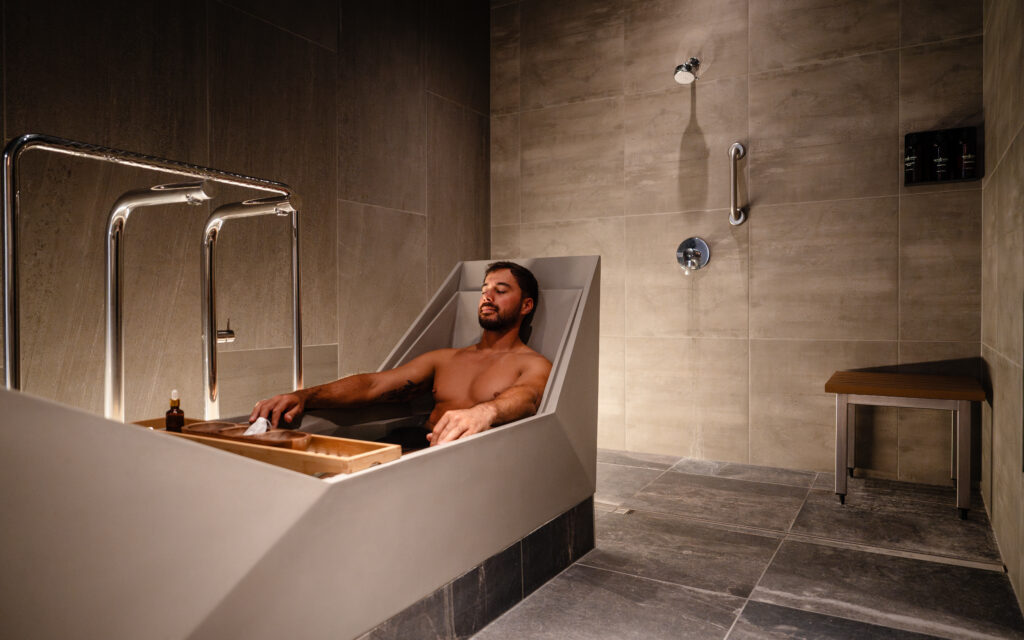
Ngāwhā means geothermal springs or hot springs. The 75-minute Ngāwhā Sensory Ritual draws from Rotorua’s geothermal waters, creating a private bathing experience shaped by wai, warmth and relaxation.
Puna Tūmataiti
Private geothermal pools
Puna Tūmataiti means private spring or private pool. We use the name for our private geothermal pools, offering a secluded setting for geothermal bathing, quiet reflection, and time together.
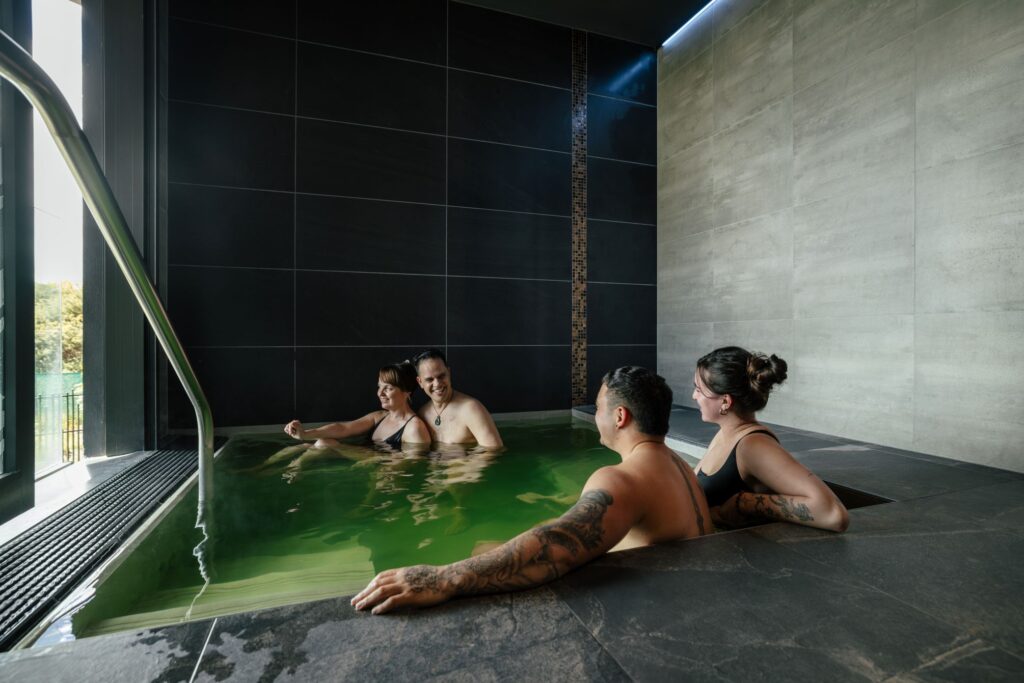
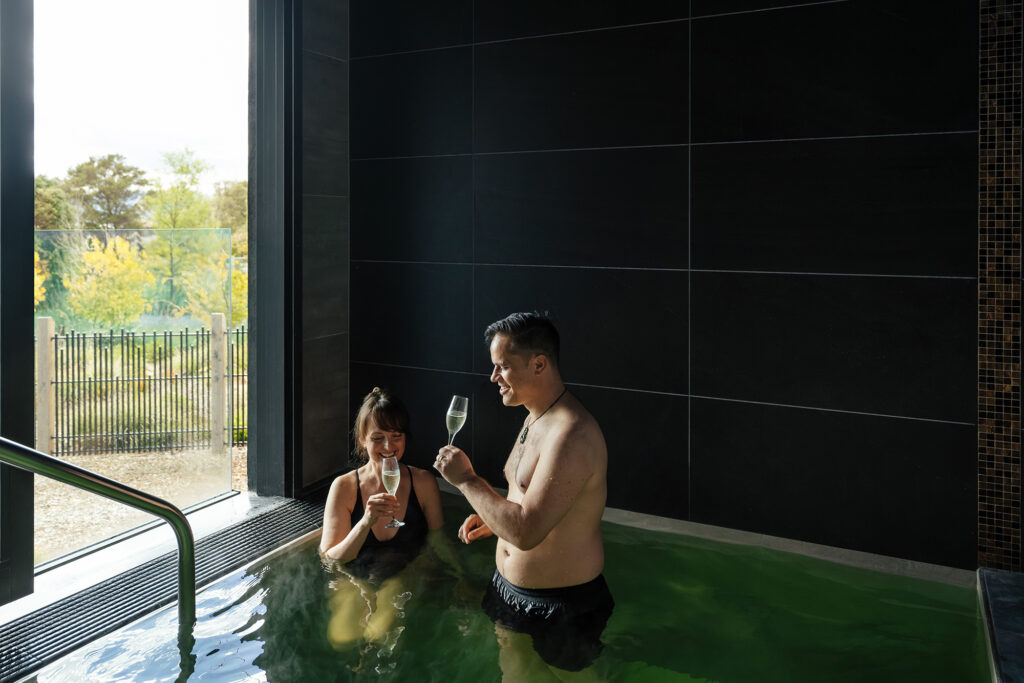
Puna Tūmataiti means private spring or private pool. These private geothermal pools offer a secluded setting for bathing, reflection and connection, surrounded by Rotorua’s geothermal landscape.
The English meaning provides an introduction, but the fuller meaning of each name is found in the experience itself, shaped by place, design, culture and story.
A living expression of Ngāti Whakaue identity
The reo of Wai Ariki Spa is not confined to signage or interpretation.
It lives within Te Tuanui, the carved koromātua at the entrance, Te Ara Moana, the paintings of Ngātoroirangi, Ngā Pou Ahi, the woven tukutuku panels and every stage of the Wai Whakaora journey.
Together, these elements create a cultural narrative that can be seen, heard and experienced. Through them, the stories and identity of Ngāti Whakaue continue to be shared with each new generation of visitors.
As manuhiri move through the destination, geothermal wellness and Ngāti Whakaue cultural storytelling remain closely connected. Each name, artwork and kōrero (story) offers another connection to the people and place that have shaped this landscape for generations.
At Wai Ariki Hot Springs and Spa, te reo Māori is more than language. It is a living expression of identity, memory and belonging.