What is Matariki and why does it matter for wellness?
What is Matariki?
Matariki is the Māori name for a cluster of stars known internationally as the Pleiades. In Aotearoa New Zealand, the appearance of Matariki on the horizon just before dawn each mid-winter signals the beginning of the Māori New Year. It is one of the most significant seasonal moments in the Māori calendar, observed for centuries and now recognised as a national public holiday.
The full name is Ngā mata o te ariki o Tāwhirimātea (the eyes of the god Tāwhirimātea). It is also commonly interpreted as Mata Ariki (eyes of the chief) or Mata Riki (tiny eyes). In every interpretation, the stars are understood as guides, as ancestors, and as a point of orientation for the year ahead.
Matariki became an official New Zealand public holiday in 2022, the first new national holiday in over 40 years and the only one unique to Aotearoa. Unlike fixed-date holidays, the date of Matariki shifts each year, determined by the māramataka (the Māori lunar calendar) and the moment the cluster rises on the north-eastern horizon before dawn.
What do the nine whetū (stars) of Matariki represent?
Matariki is not simply a celebration. It is a time structured around three distinct purposes: remembrance of those who have passed since the last rising of Matariki, giving thanks for the abundance of the earth and sea, and looking ahead to set intentions for the year to come.
Nine whetū (stars) are named within the Matariki cluster, each holding a specific connection to the natural world and human experience. Together they form a complete framework, one that encompasses the earth, sky, freshwater, ocean, and the spiritual realm. Understanding these stars is to understand a Māori way of reading and relating to the world.
Matariki: health and wellbeing
The central star and mother of the cluster. Matariki is connected to hauora (health and wellbeing) and the health of the community. When the cluster rises bright and high, it was traditionally read as a sign of peace and good fortune for the year ahead.
Pōhutukawa: those who have passed
The star of remembrance. Māori belief holds that when a person dies, their spirit travels along Te Ara Wairua (the pathway of the spirits) to Te Rerenga Wairua at the northernmost point of the North Island, where it descends into the underworld. Pōhutukawa is the star that carries those spirits. When the cluster rises, whānau (families) call out the names of those who have died and weep for them. Pōhutukawa is a time for grief held together, in community, under the same sky.
Tupuānuku: food from the earth
Connected to everything that grows within the soil, including kūmara (sweet potato) and all cultivated and gathered plants. Tupuānuku governs the health of the harvest and the generosity of the earth.
Tupuārangi: food from above
Associated with the forest, birds, and food that grows above the ground, including berries and fruit. Tupuārangi was traditionally linked to the harvest of kererū (native wood pigeon) and the abundance of the tree canopy.
Waitī: freshwater
Connected to all freshwater environments, including awa (rivers), roto (lakes), and waipuna (streams), and the creatures that live within them. The brightness of Waitī at the time of rising was read as a forecast for the freshwater food supply in the year ahead.
Waitā: the ocean
Guardian of the moana (ocean) and the many creatures that live within it. Waitā looks after the communities and traditions tied to saltwater fishing and gathering. A bright Waitā was read as a sign of good fishing in the year to come.
Waipunarangi: rain
The star connected to ua (rain) and all the forms of water that fall from the sky. The name translates as the water that pools in the sky. Waipunarangi links the heavens to the land, her rainfall nourishing Papatūānuku (Earth mother) and flowing through to the environments of all the other stars.
Ururangi: the winds
The star of the winds. The behaviour of Ururangi at the time of the Matariki rising was observed as a forecast for the winds of the year ahead. Māori, as people who navigated here by harnessing the wind, have always maintained a close relationship with this element and its many forms.
Hiwa-i-te-rangi: aspirations and wishes
The wishing star, and the youngest in the cluster. Hiwa-i-te-rangi is the star to which aspirations, intentions, and hopes for the new year are offered. It is the star of possibility, of looking forward, of choosing what to plant in the year to come.
This is a framework that holds memory, nourishment, environment, and intention together in a single seasonal moment. Each star is intrinsically connected to the others, as rain feeds rivers, rivers feed the sea, and the sea feeds the people. It is a deeply holistic way of marking time.
Why does Matariki matter for hauora (wellbeing)?
Hauora is a Māori concept of health that holds four dimensions together: taha tinana (physical health), taha hinengaro (mental health), taha wairua (spiritual health), and taha whānau (family health and connection). It understands wellbeing not as the absence of illness but as the active, living balance of all four dimensions at once.
Matariki speaks directly to each of these. It calls for physical rest and nourishment after the harder months of winter. It invites reflection and emotional honesty about what has passed. It creates space for spiritual acknowledgement, for sitting with grief and gratitude at the same time. And it gathers whānau (family and community) around shared kai (food), shared stories, and shared sky.
What makes Matariki distinct from most modern wellness frameworks is that it is inherently collective. It is not a personal practice but a seasonal, cultural, and communal one. In a time when wellbeing is often framed as individual self-improvement, Matariki offers something older and, in many ways, more complete. A whole people, oriented to the same sky, doing the work of remembrance and renewal together.
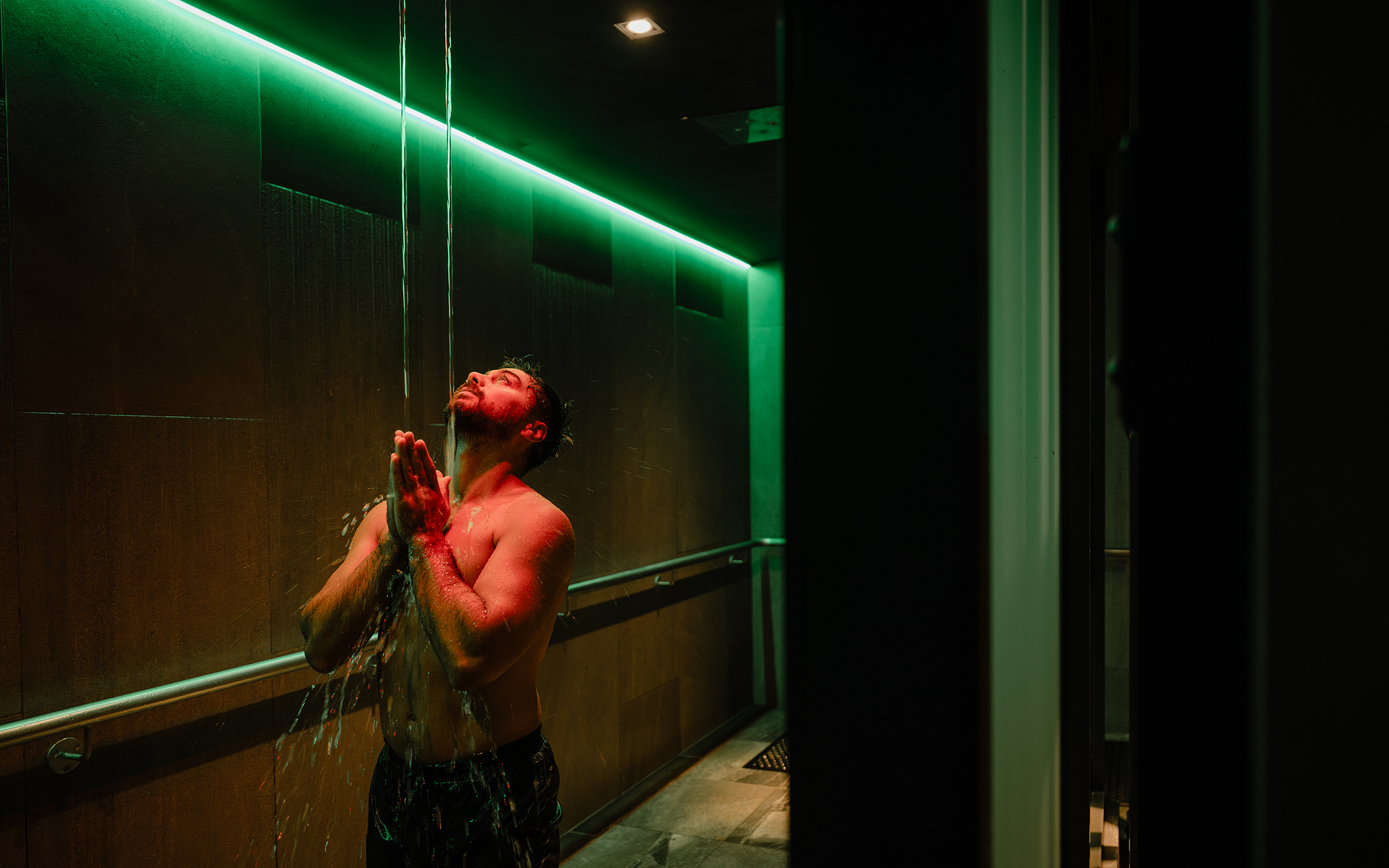
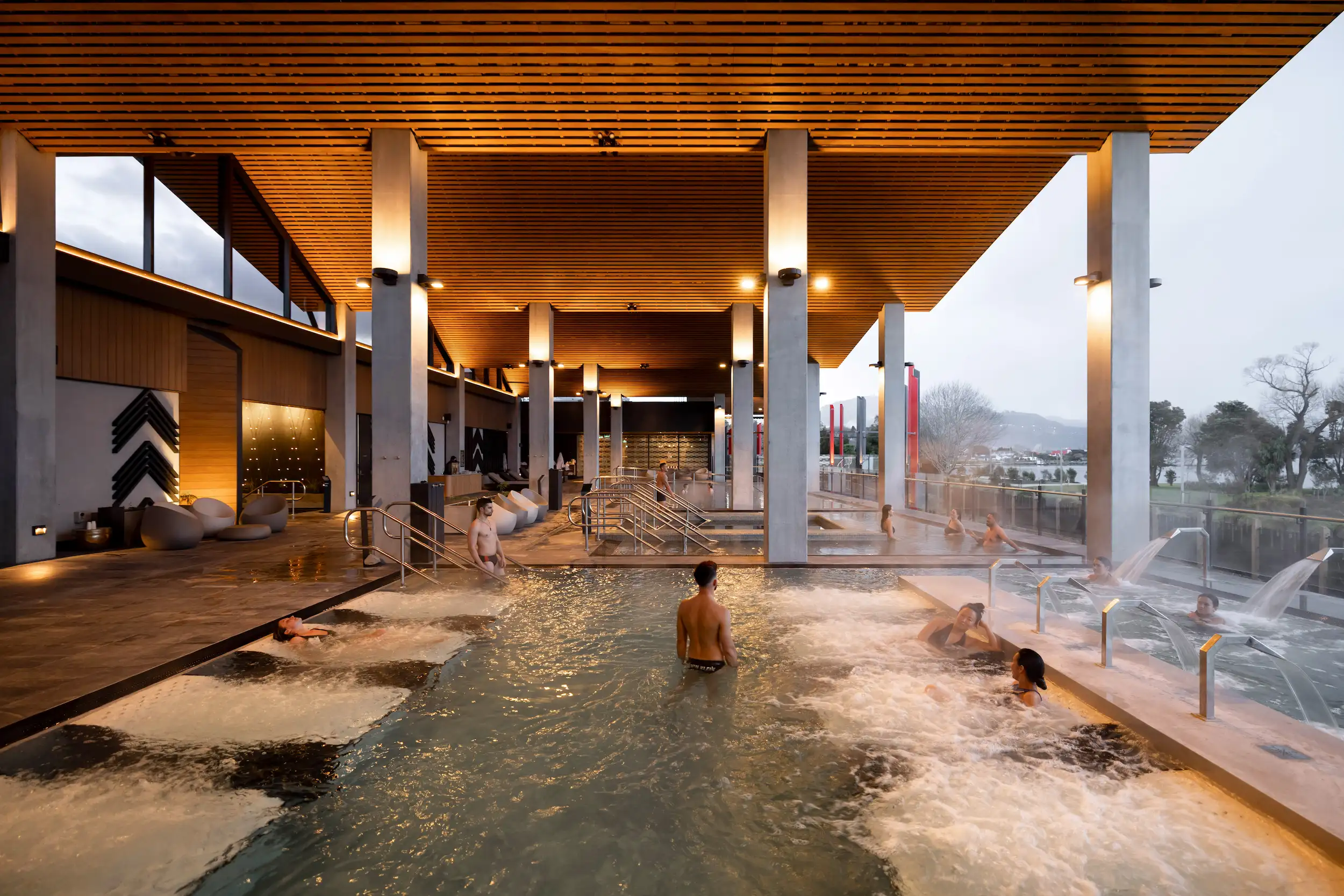
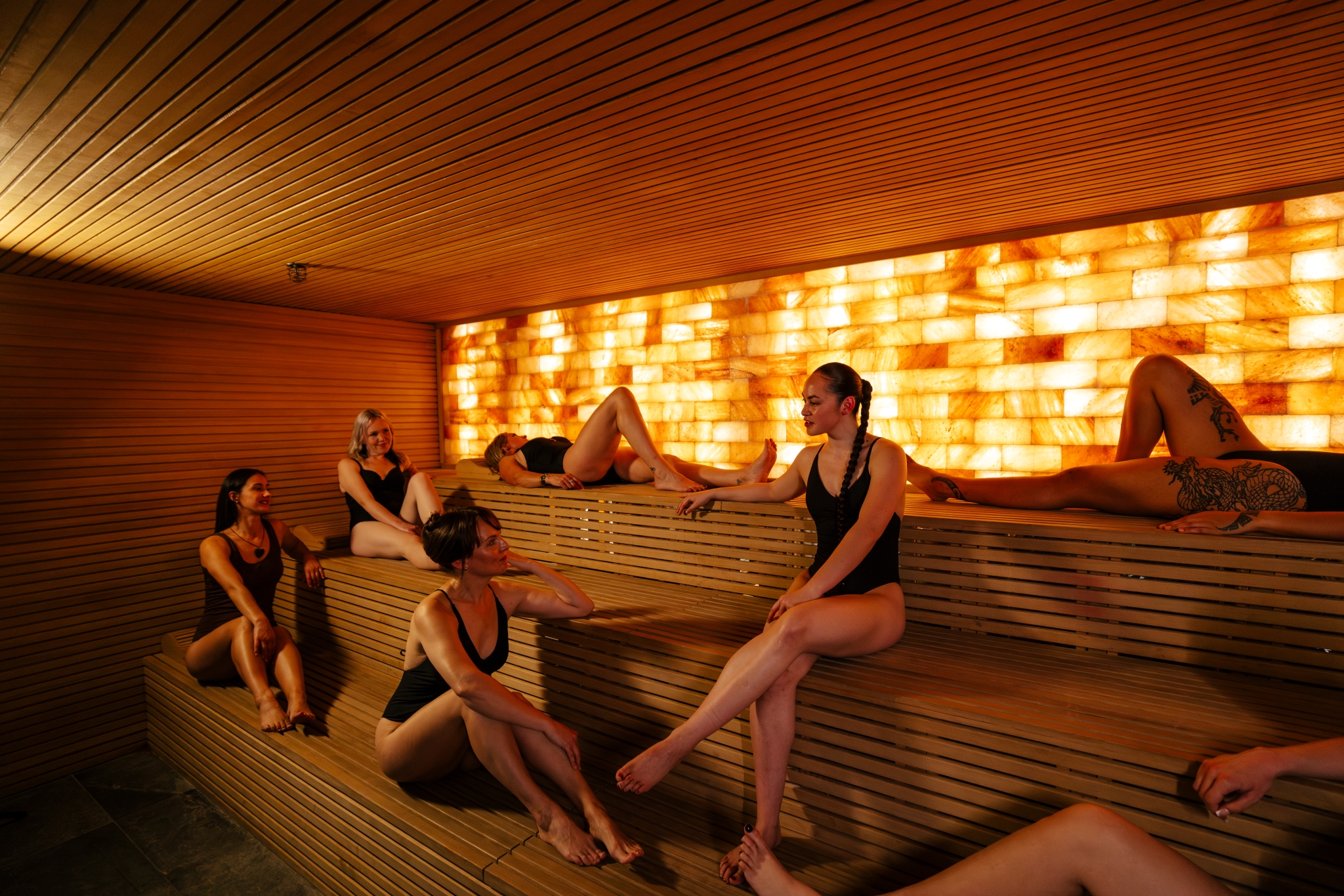
At Wai Ariki, this understanding of hauora shapes every part of the experience. The Wai Whakaora Restorative Journey moves through taha tinana, taha hinengaro, taha wairua, and taha whānau in sequence, from the geothermal pools to the steam room to the quiet of Āhuru Mōwai (The Sanctuary). Matariki is a fitting time to undertake it. The same waters that have sustained this place for generations offer a way to mark the turning of the year with the body, the mind, the spirit, and the people who matter, all held together rather than treated separately.
How is Matariki observed?
Traditionally, Matariki was observed through ceremony, hāngī (food cooked in the earth), the recitation of whakapapa (genealogy), and the offering of the first foods of the season to the stars. Tohunga kōkorangi (expert Māori astronomers) read the brightness and position of individual stars as a forecast for the year ahead, a living almanac written in the night sky.
Today, Matariki is marked across New Zealand through hautapu (dawn ceremonies), community gatherings, cultural performances, lantern displays, and star-gazing events. In Rotorua, where the connection to te ao Māori (the Māori world view) is woven into daily life, Matariki is observed with particular depth and continuity.
For many whānau, it is also simply a time to slow down. To step away from the pace of everyday life and be present with the people and places that matter.
Matariki and the geothermal waters of Rotorua
Water sits at the centre of Matariki. Three of the nine stars are directly connected to water in its different forms: Waitī to freshwater, Waitā to the ocean, and Waipunarangi to rain. Together they trace the full cycle of water through the world.
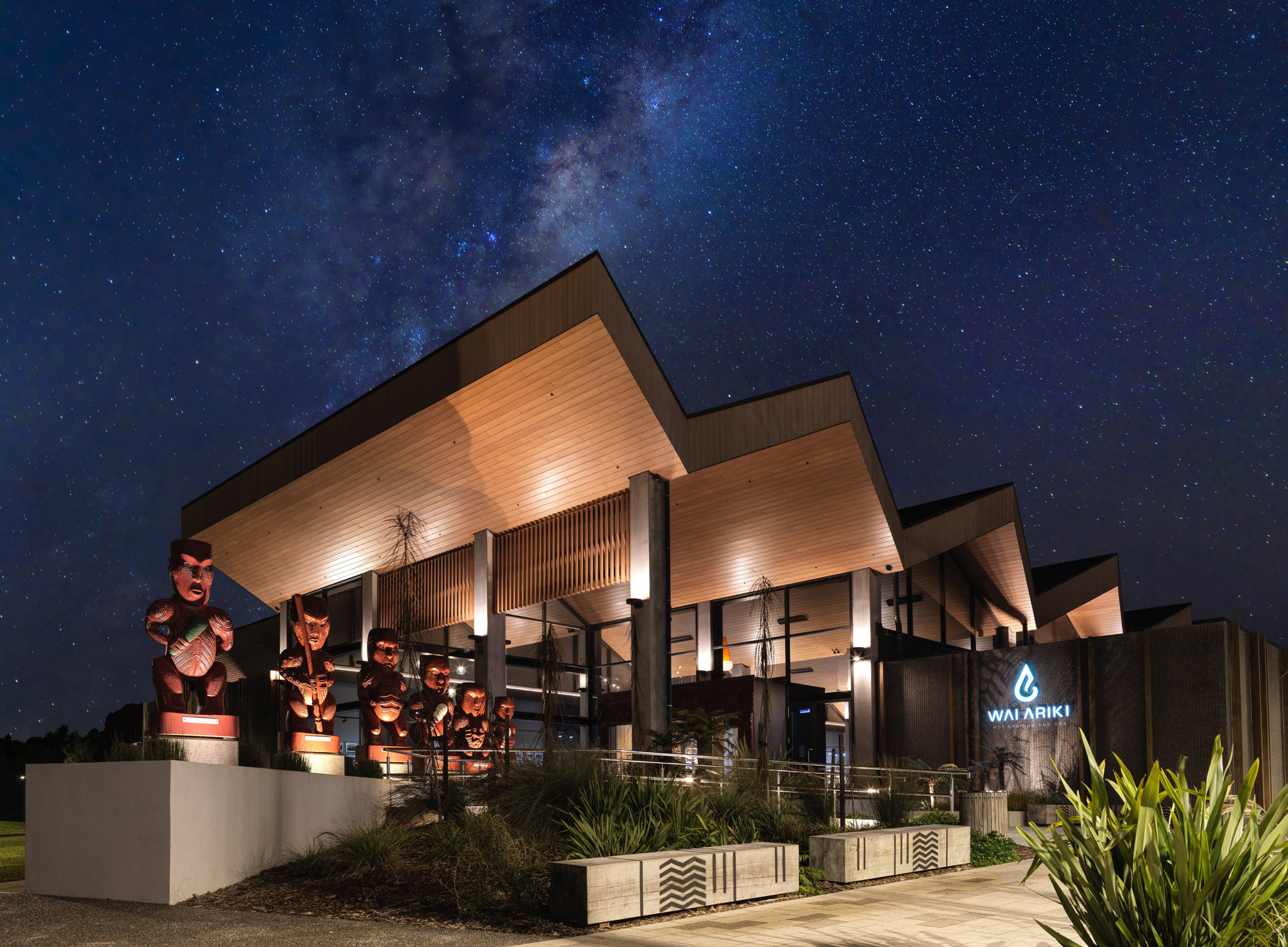
In Rotorua, that relationship with water carries its own particular weight. The geothermal water that rises here from deep within the earth has been flowing long before any settlement, any building, any name given to this place. For Ngāti Whakaue, the hapū (sub-tribe) of Te Arawa who are the kaitiaki (guardians) of this land, it is not a resource to be consumed but a taonga (treasure) to be protected and honoured. Wai Ariki Hot Springs and Spa takes its name from those waters. Wai Ariki means waters of the chief. To enter them is to enter something that carries the memory of this place and its people. In the season of Matariki, that context is not incidental. It is the point.