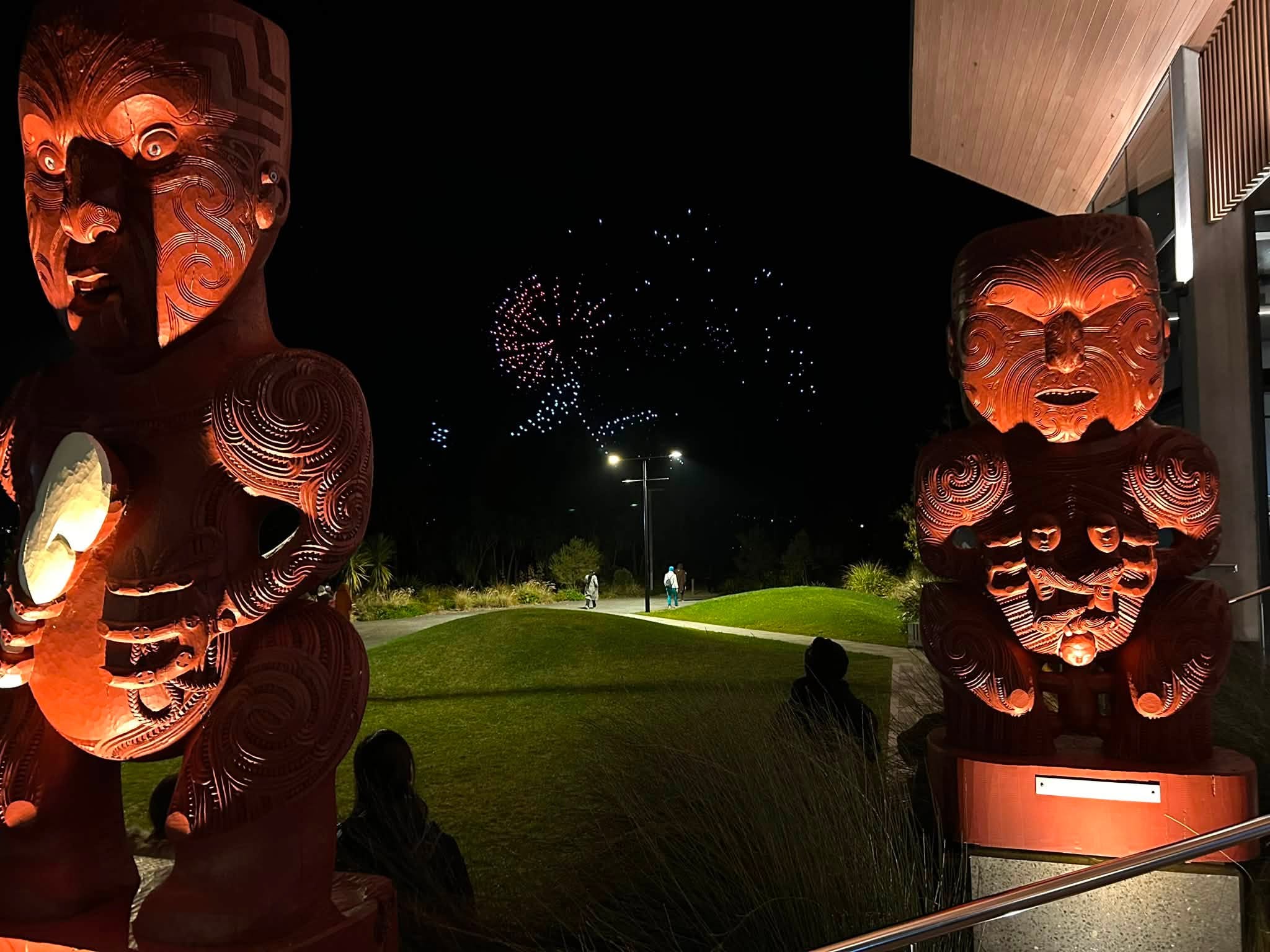
What to do in Rotorua at night: The city after dark
On a winter evening in Rotorua, darkness can settle before dinner reaches the table. In summer, daylight remains above the treetops well into the pō (night). Across both seasons, the cooling air makes kohu (steam) more visible above geothermal wai (water), revealing a landscape that remains active long after the day’s sightseeing has ended.
By early evening, central Rotorua’s restaurants are filling, lanterns are beginning to glow among the Redwoods, and warm geothermal pools are taking on the softer atmosphere of night. The possibilities extend beyond a simple list of Rotorua evening activities. Each revealing something different about the whenua (land), from the scale of the forest to the geothermal waters and cultural stories that have shaped this place.
Where a Rotorua evening begins
Kai (food) is woven naturally into the evening. Central Rotorua offers a choice of restaurants and hotel dining rooms, creating time to settle around the table before the night moves elsewhere. Dinner also brings its own expression of manaakitanga (hospitality and care). A shared meal creates space for conversation and a sense of arrival, especially for visitors who have spent the day moving between Rotorua’s geothermal sites, forests and cultural experiences.
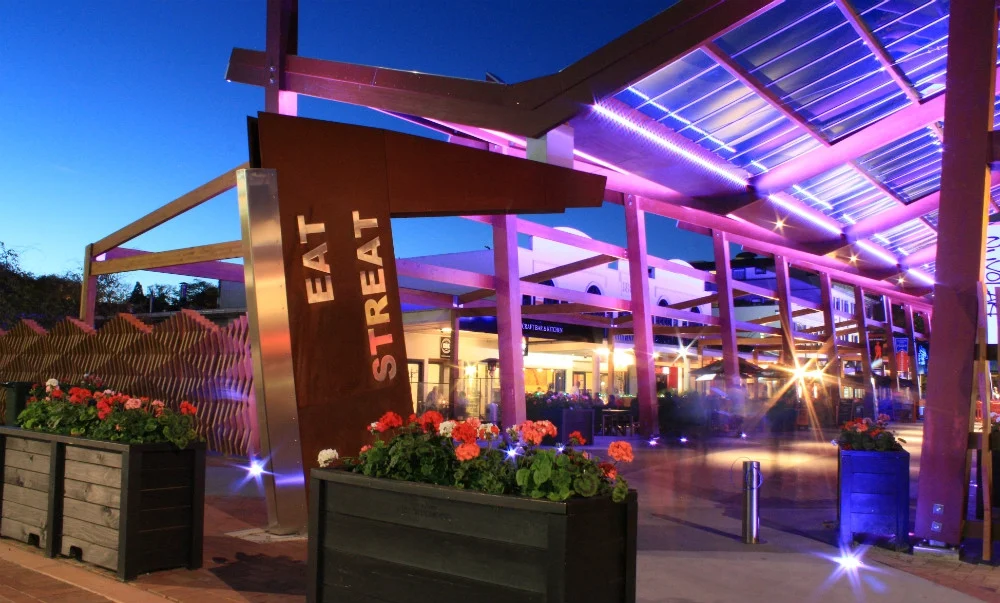
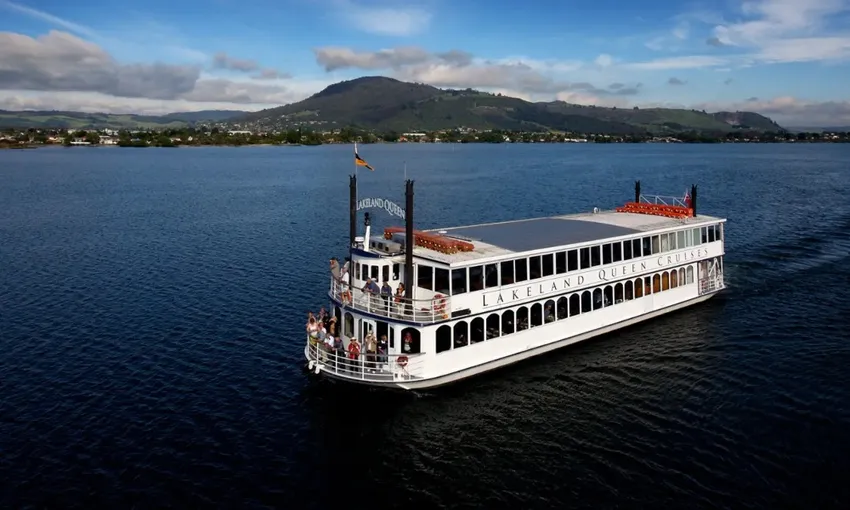
Image credit: MyGuide Rotorua and RotoruaNZ
Some evenings take kai beyond the city. Lakeland Queen’s Dinner Delight pairs a buffet meal with a 90-minute cruise on Lake Rotorua, passing Mokoia Island, Ōhinemutu, Sulphur Point and Kawaha Point. The sailing departs at 6pm, with around two hours allowed for boarding, dining and the cruise. Evening light may accompany the journey at certain times of year, although Dinner Delight is an evening cruise rather than a dedicated sunset experience.
Forest light and geothermal wai
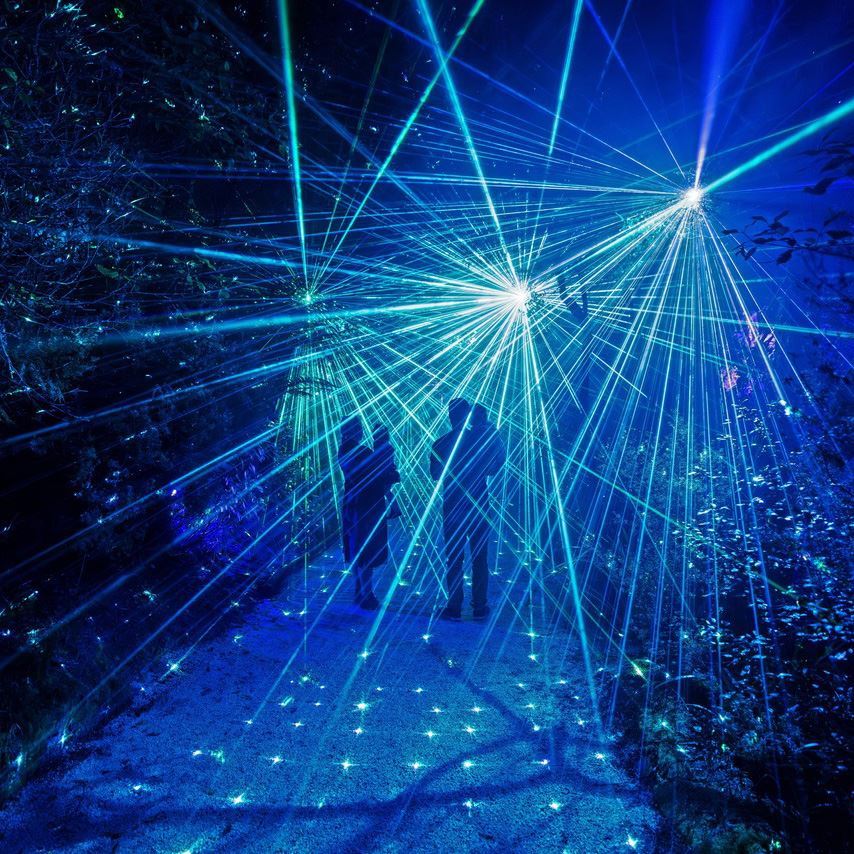
At Redwoods Nightlights, the familiar daytime forest is viewed from above and after dark. The 700-metre elevated walkway crosses 28 suspension bridges and 27 platforms, rising between nine and 20 metres above the forest floor. Thirty-four lanterns by New Zealand designer David Trubridge hang among the trees, drawing attention to the height and shape of the ngahere (forest).
The walk takes around 30 to 40 minutes, but its character is not measured only by distance. Bridges pass between dark trunks, lanterns appear through the foliage and the forest floor falls away beneath the walkway. Open throughout the year, Redwoods Nightlights gives visitors a view of Rotorua’s taiao (natural environment) that belongs specifically to the hours after sunset.
Its place within the evening changes with the season. During winter and the darker shoulder months, the Redwoods are illuminated early enough for the forest to precede geothermal bathing. Through summer, daylight lingers, and the glow of Nightlights emerges later in the pō. On those evenings, bathing often occupies the earlier hours, with the forest following once darkness has reached the treetops.
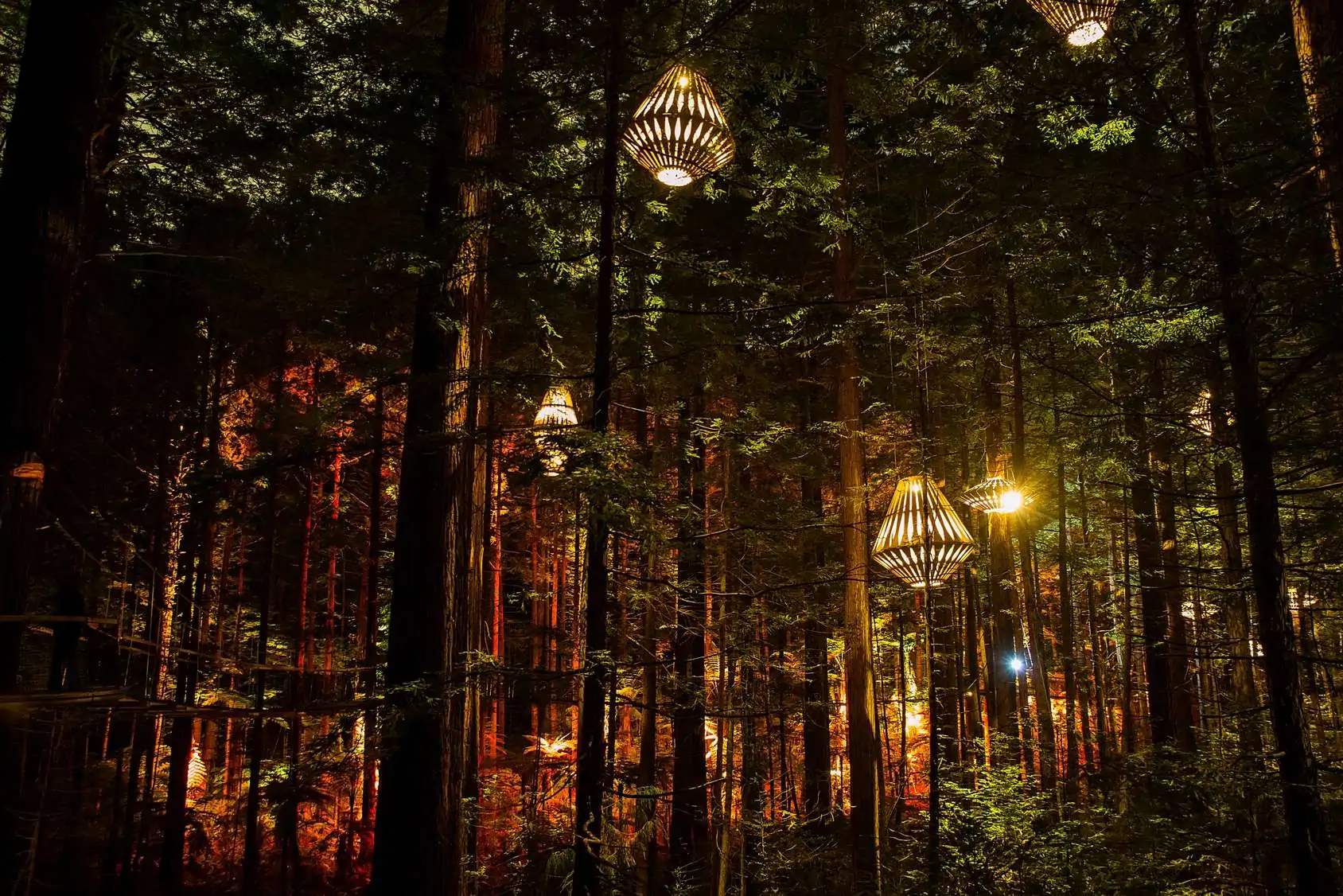
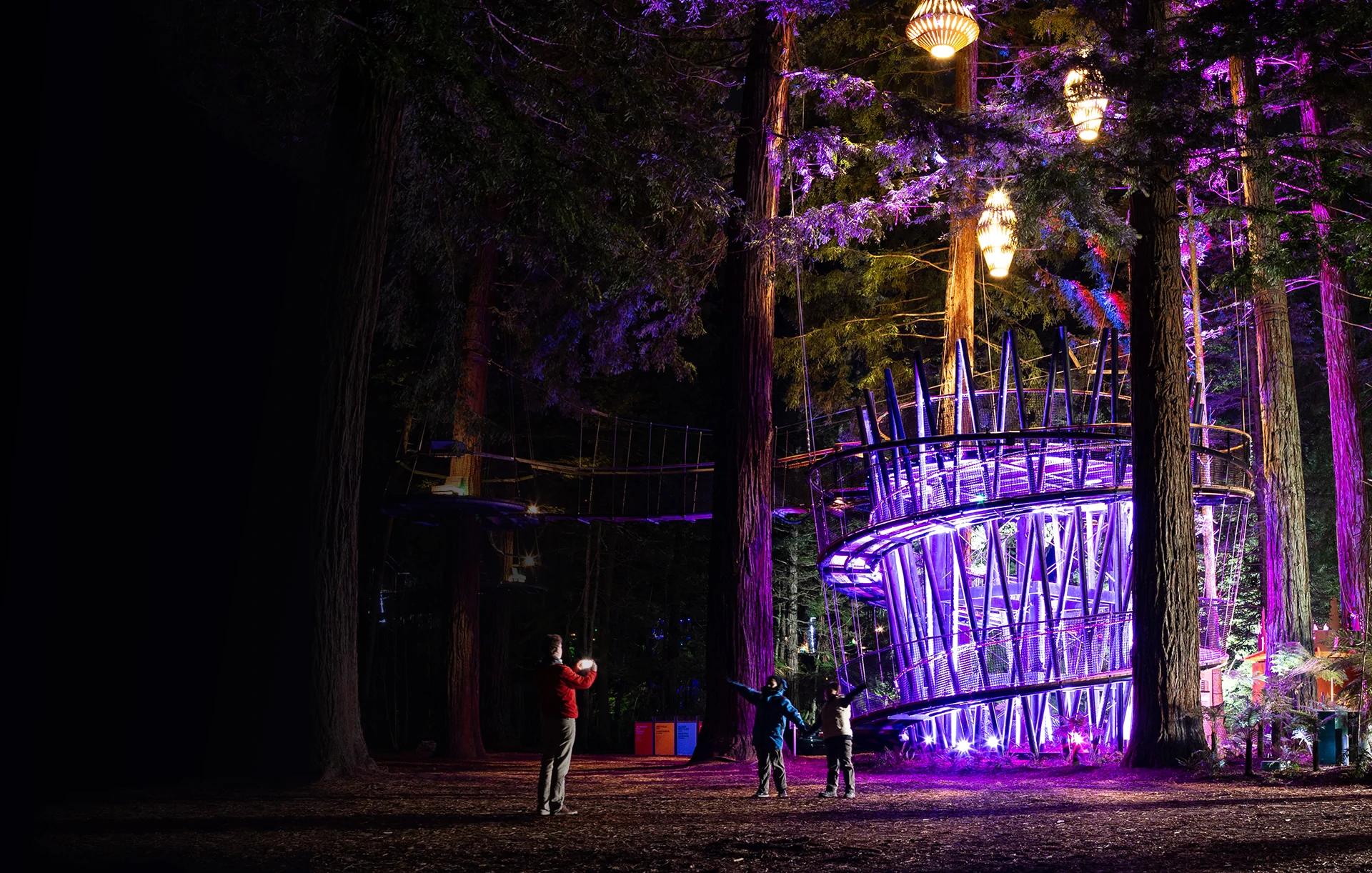
Image credit: Rotorua Treewalk™
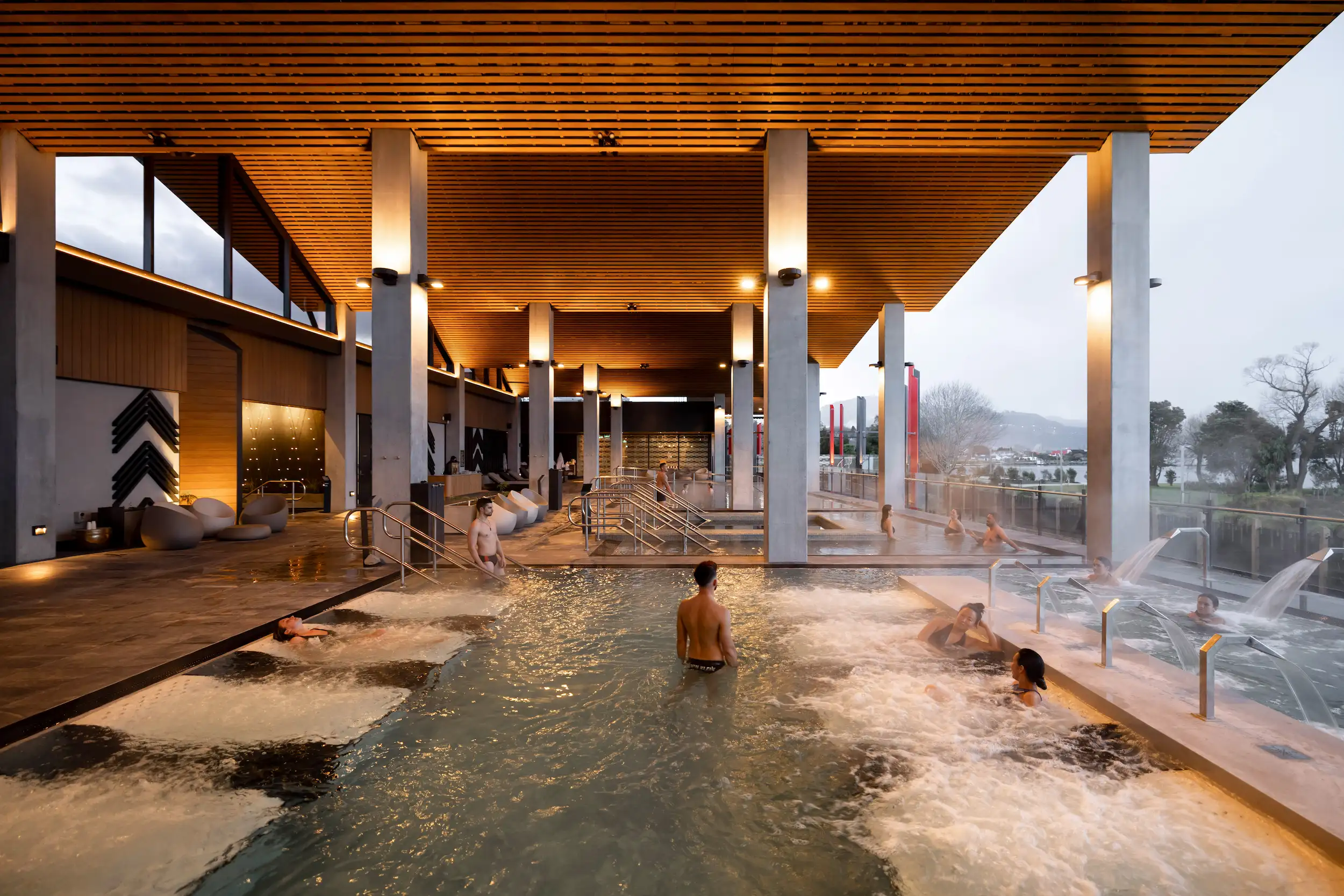
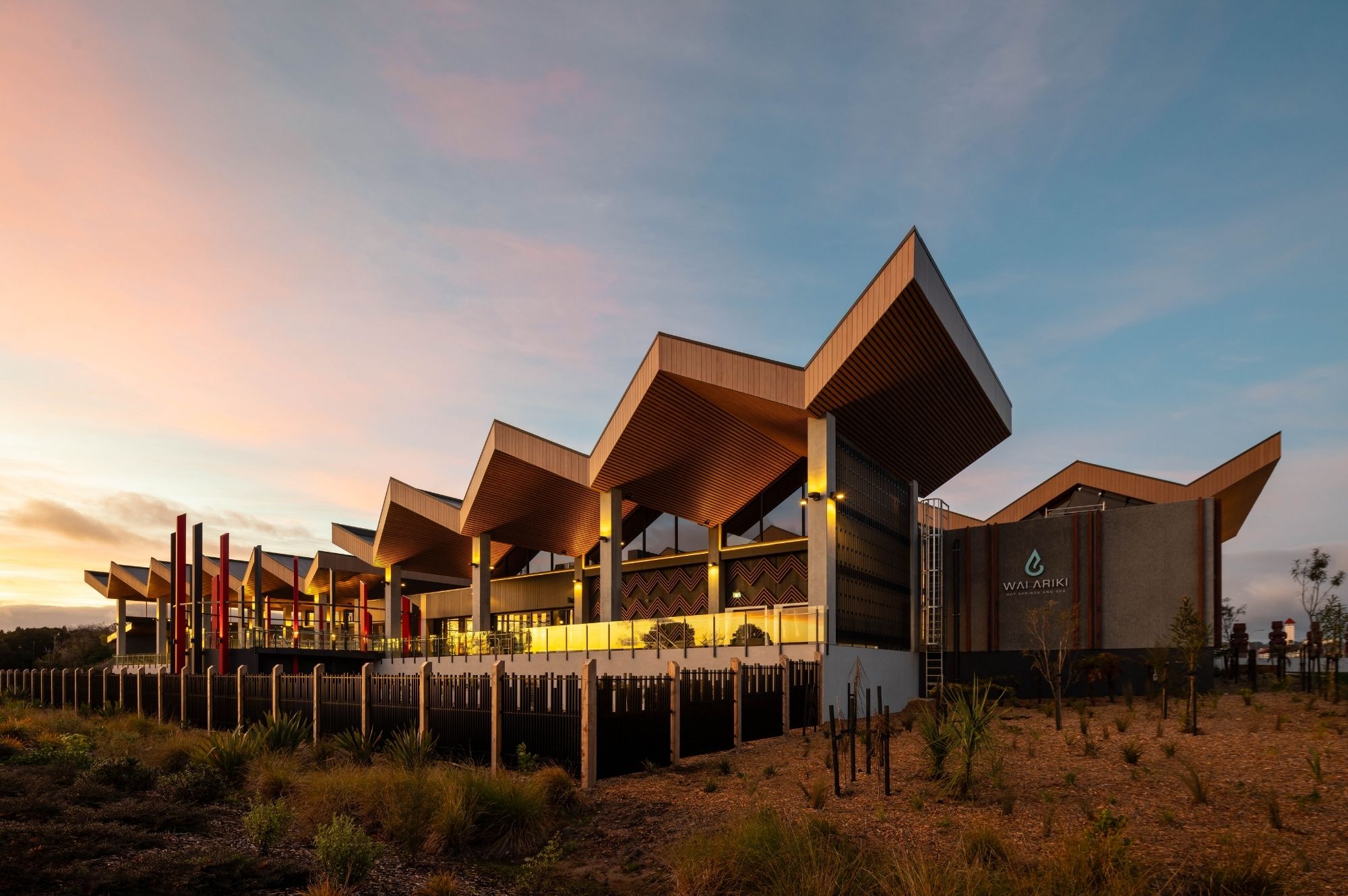
At Wai Ariki Hot Springs and Spa, the evening turns towards geothermal wai and the cultural identity of Ngāti Whakaue. Proudly Ngāti Whakaue owned, Wai Ariki Spa is grounded in generations of connection to wai, whenua and wellbeing traditions. Geothermal bathing, architecture, cultural storytelling and manaakitanga are part of the same experience, shaped by a distinctly Māori approach to hauora (wellbeing).
As daylight leaves the outlook towards Mokoia Island, kohu becomes more visible above the pools. The cooler evening air sharpens the contrast between temperatures, from the warmth of geothermal water to the cold plunge and thermally heated pools within Te Taiwhanga Matua (Lake view thermal pools).
Wai Whakatā Restorative Bathing offers one hour within this setting. The self-guided experience provides access to the five lake view pools: two geothermal pools, a cold plunge, a thermally heated hydrotherapy pool and a thermally heated herbal pool. Guests move between the different waters and temperatures at their own pace, with views across Lake Rotorua towards Mokoia Island.
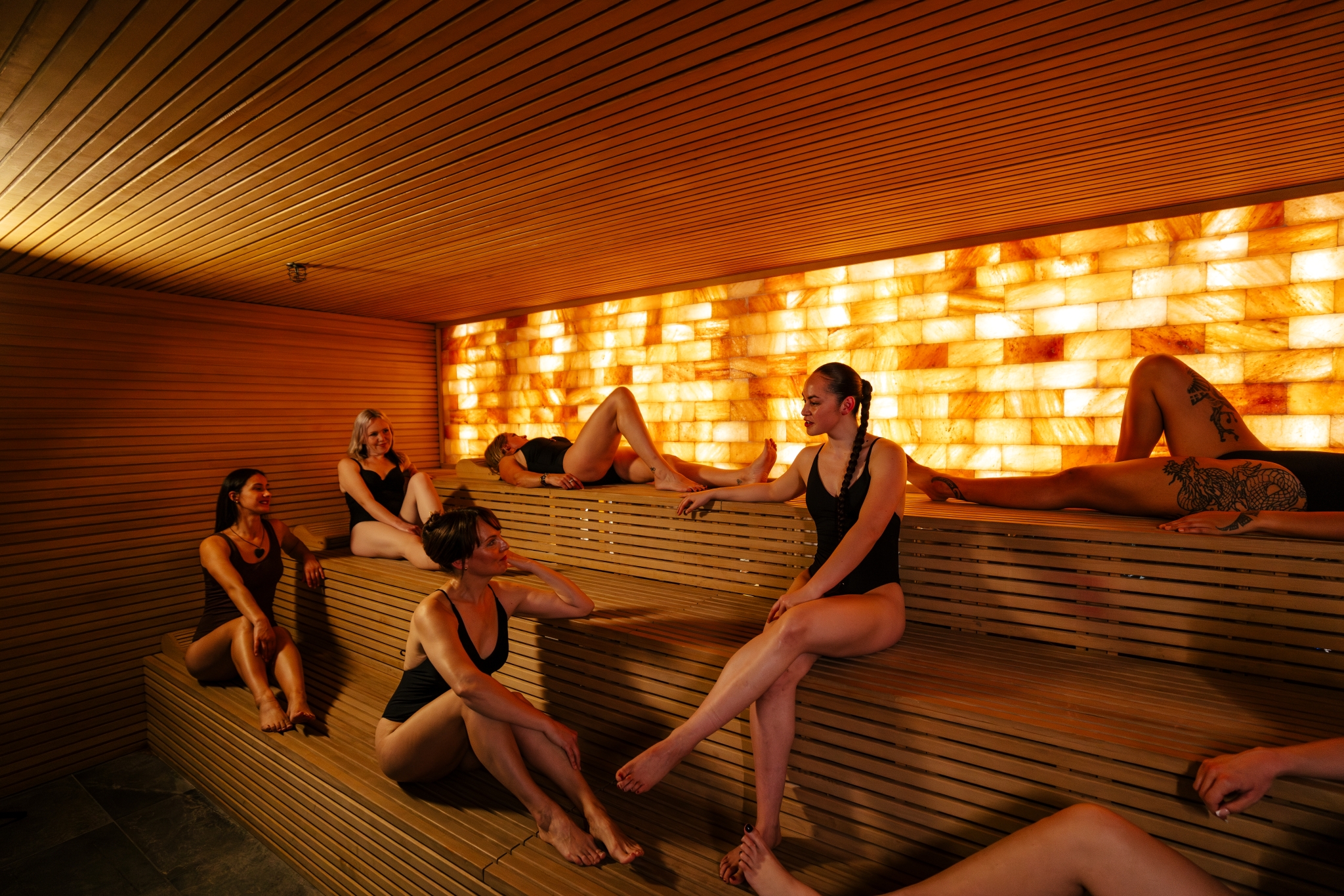
The two-hour Wai Whakaora Restorative Journey carries the cultural and geothermal story further. Across seven stages, the experience brings together waterfall showers, hot and cold contrast, geothermal bathing, mud, steam and kōrero (stories) connected to Ngāti Whakaue. Its longer progression gives Wai Whakaora a more substantial place within the evening, usually before the Redwoods rather than fitted in after a late Nightlights visit.
Together, the forest and Wai Ariki Spa reveal two distinct parts of Rotorua after dark. One looks outward, into the height, shadow and illuminated structure of the Redwoods. The other draws attention to geothermal wai, cultural connection and the physical feeling of moving between warmth and coolness.
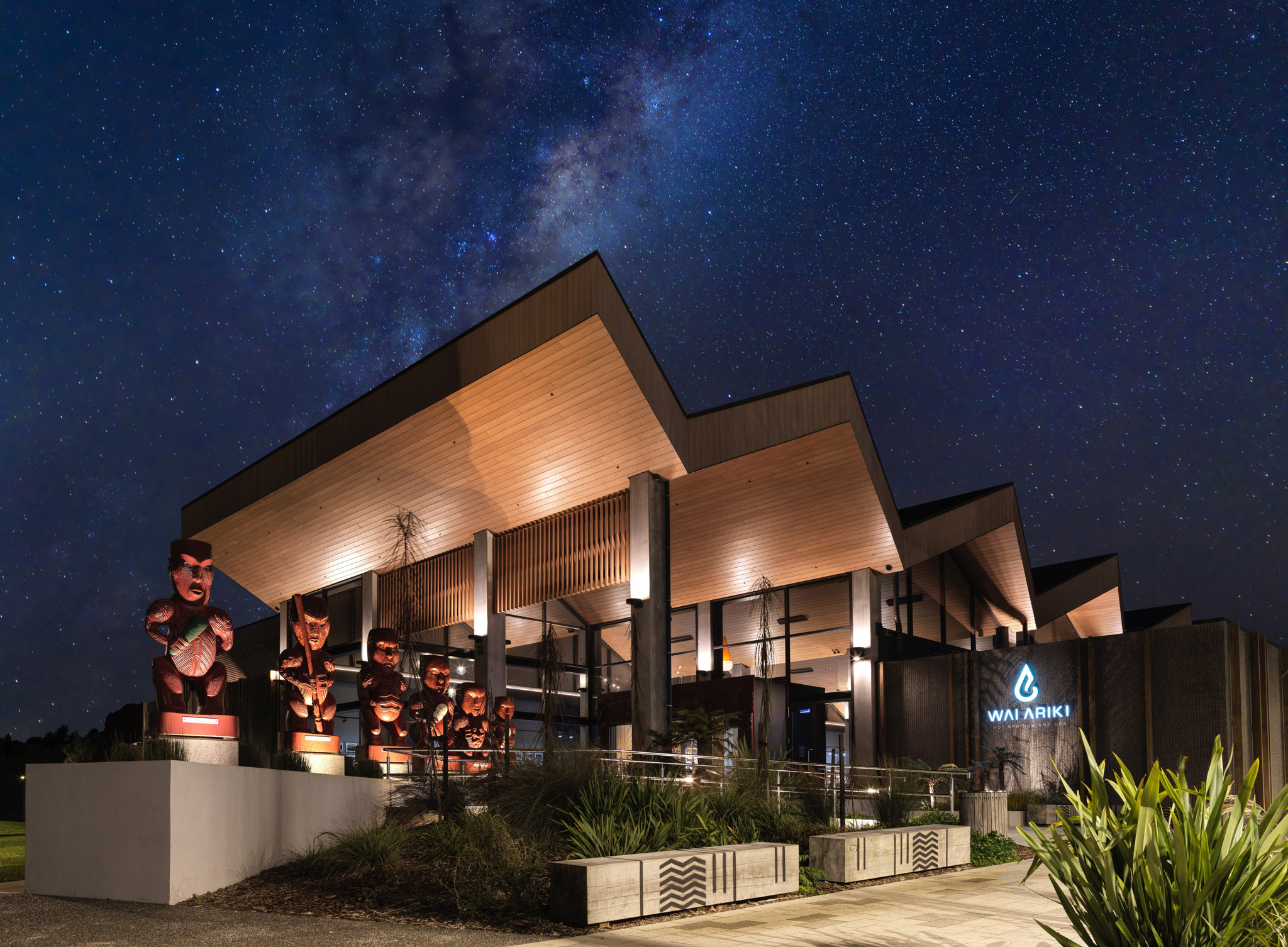
Image credit: Alick Saunders
Nights that change with the season
Not every Rotorua night experience is available throughout the year. Some return with the school holidays or the darker months, bringing a different energy to the city’s pō offering.
Skyline Rotorua Twilight Luge operates on selected evenings during the summer and winter school holidays. As daylight recedes, LED lighting appears along the tracks and through the tunnels, carrying the Luge from golden hour into the evening. The brighter summer sky may remain visible while the lights are on, while winter brings darkness much earlier.
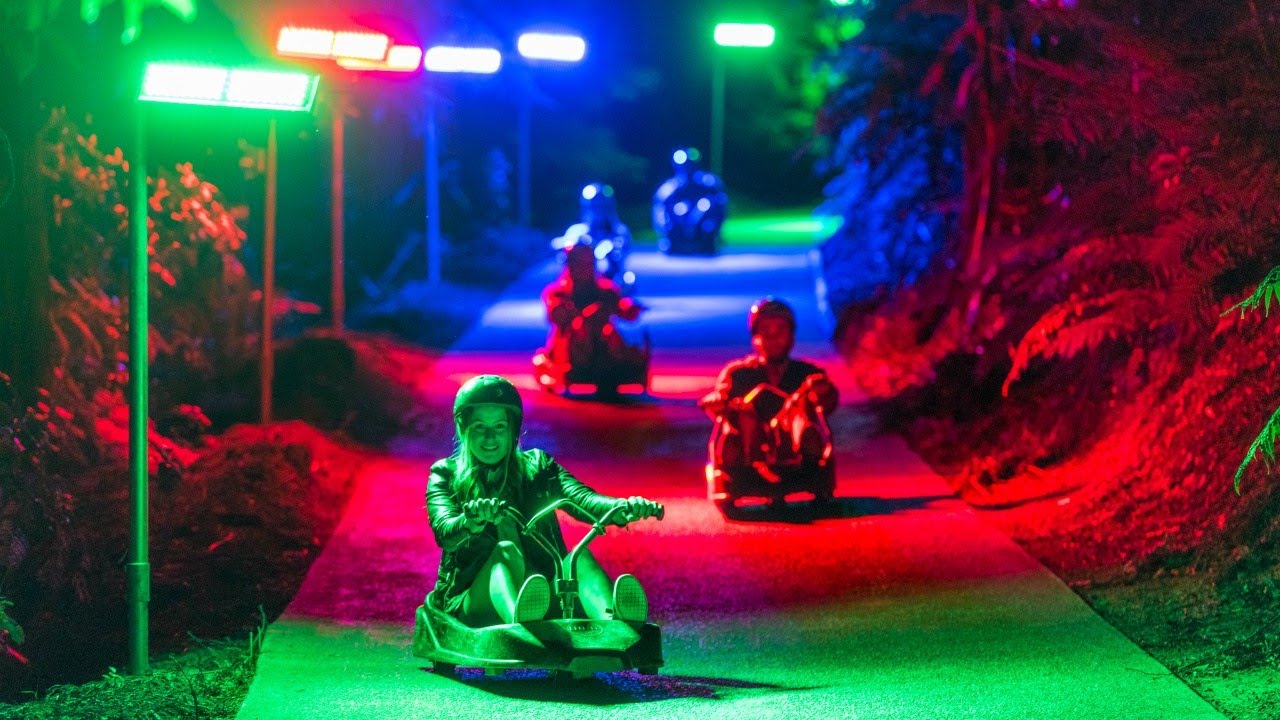
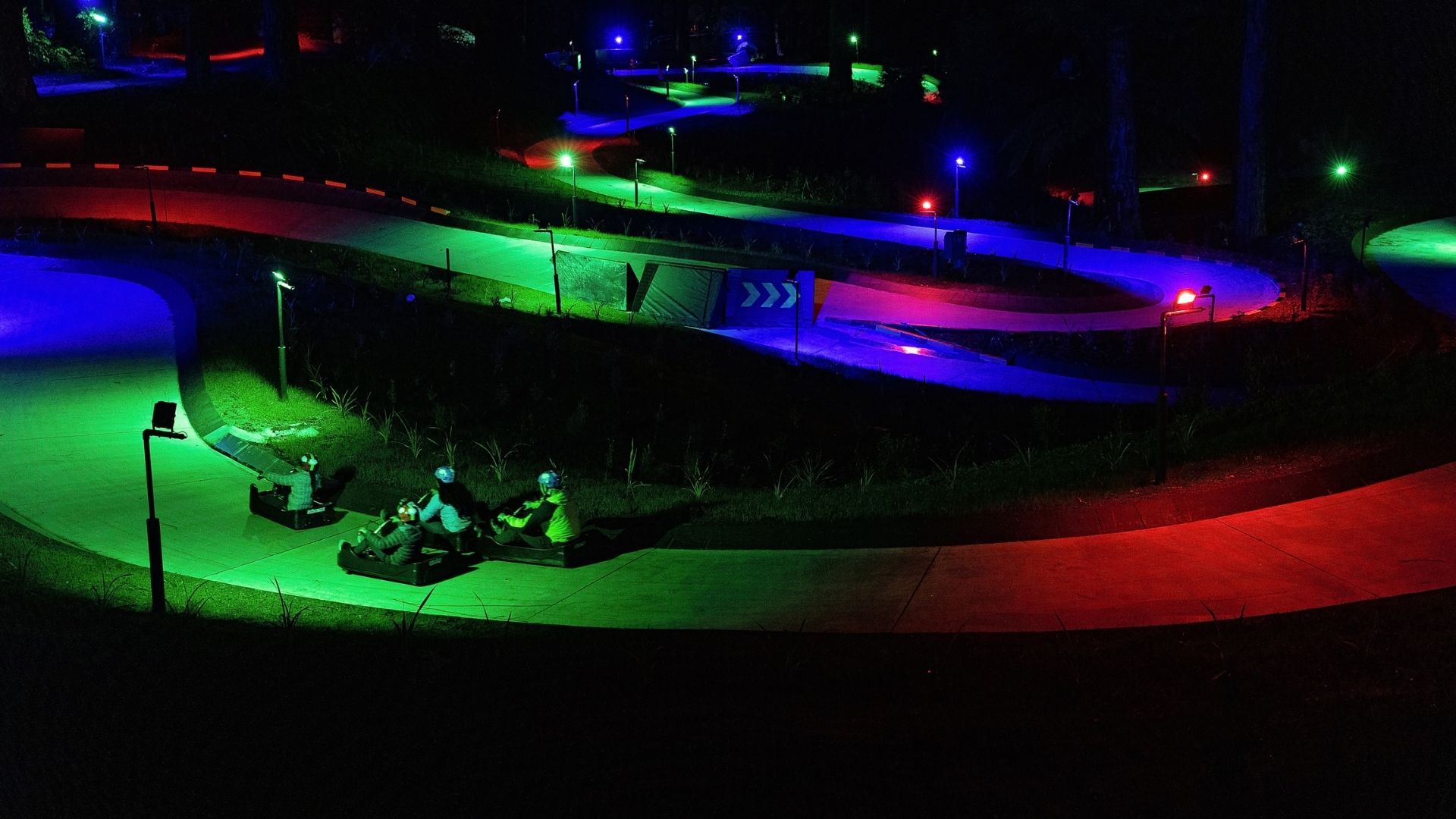
Image credit: RotoruaNZ
At Te Puia, Mārama Geyser Light Trail presents the Whakarewarewa Geothermal Valley through light, sound, artistry and kōrero. The hosted 1.5-kilometre experience moves through ten illuminated scenes, with around 60 minutes allowed for the trail.
Mārama includes after-dark views towards Pōhutu Geyser. Pōhutu remains a natural and unscheduled part of the geothermal landscape, so an eruption may occur during the visit, but its timing cannot be promised. The trail is seasonal, giving it a particular place within Rotorua’s changing calendar rather than making it a permanent night-time fixture.
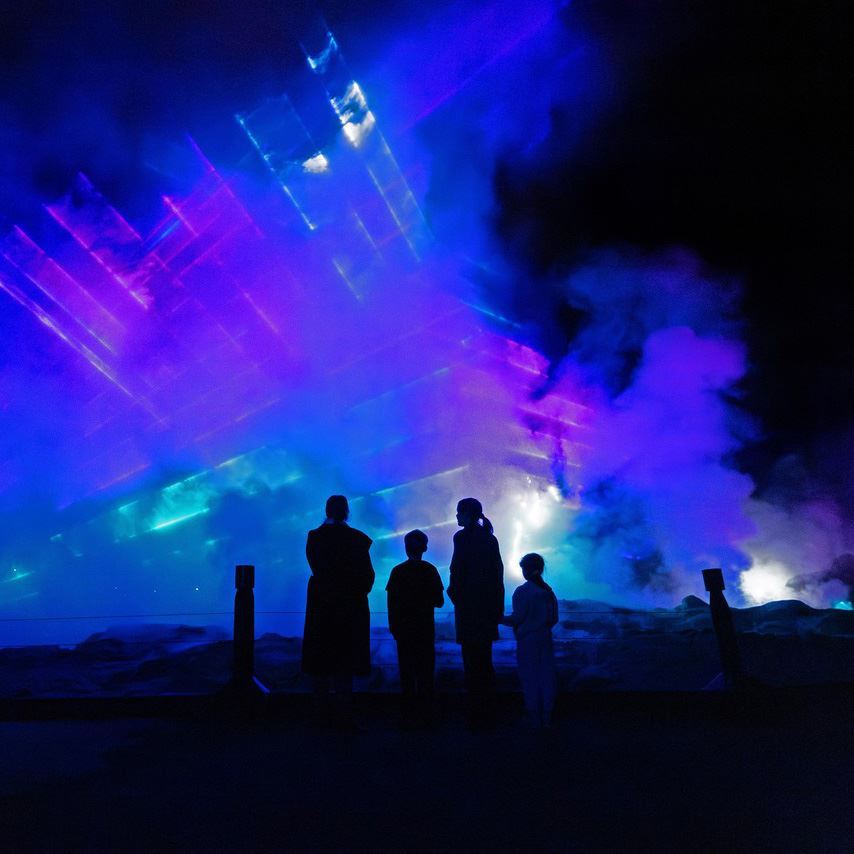
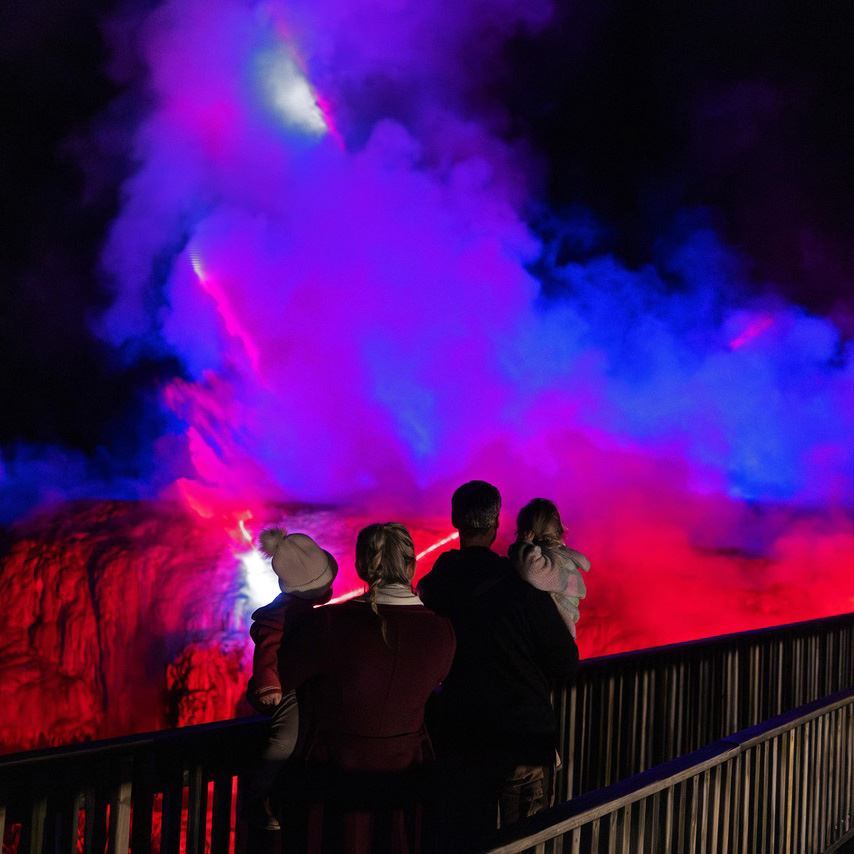
Image credit: Te Puia
Twilight Luge and Mārama offer contrasting expressions of pō. Skyline brings speed, colour and movement to the hillside. Te Puia places light within an active geothermal valley, where steam, soundscapes, artwork and the landscape form part of the experience.
Staying with the evening
An overnight stay gives Rotorua’s night-time experiences more room. Instead of measuring the evening by the journey home, visitors can return to accommodation nearby and allow the final part of the night to remain unhurried.
Pullman Rotorua offers a central hotel setting with onsite dining at Barrel & Co Restaurant, while Regent of Rotorua provides a smaller boutique stay in the city centre, also with its own restaurant, The Regent Room. Both suit a night shaped around central kai, Wai Ariki Spa and Rotorua attractions within easy reach.
On The Point offers a more secluded stay on a private peninsula, with lodge suites, self-contained cottages and villas. Onsite dining at The Mains creates the option of keeping dinner and accommodation together, with views towards Mokoia Island forming part of the wider stay.
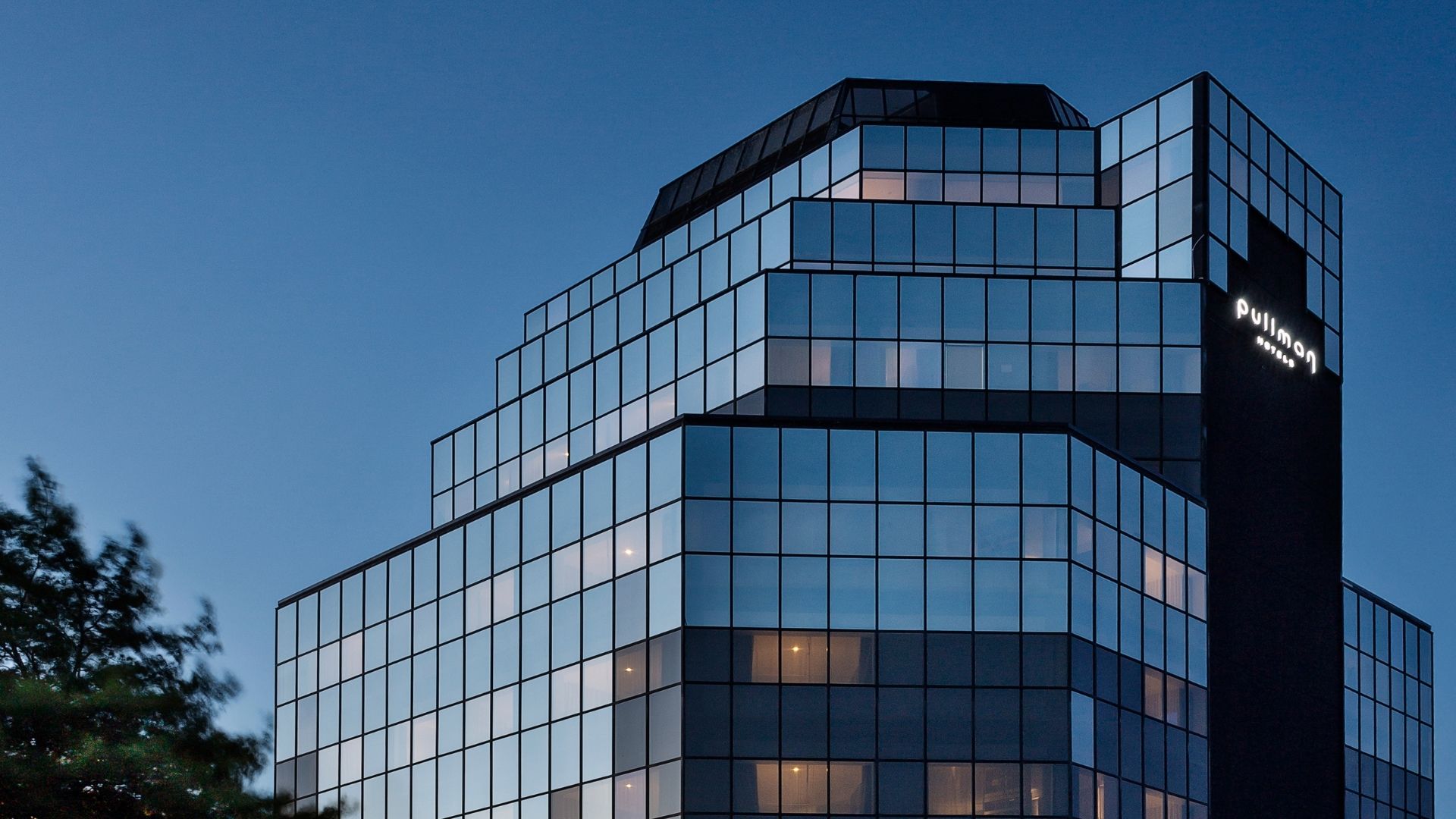
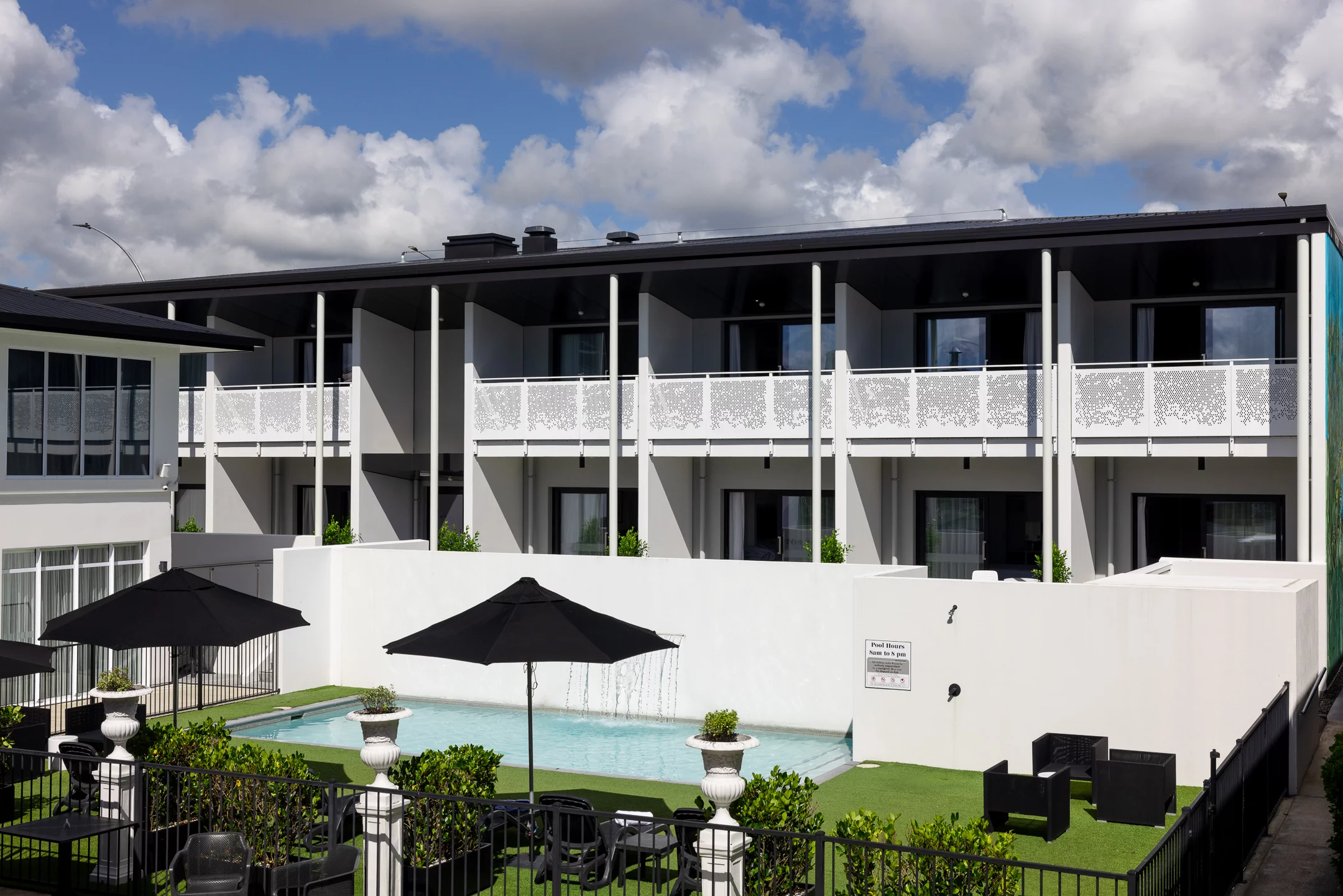
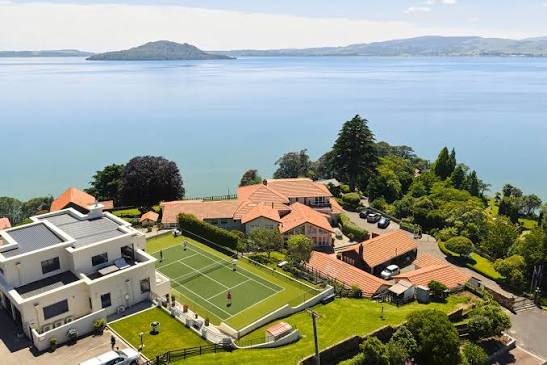
Image credit: Pullman Rotorua, Regent of Rotorua, On the Point
A note before nightfall
Seasonal dates, entry times, operating hours and Lakeland Queen sailing schedules can change. Confirm current details directly with each operator and allow comfortable travel time between experiences. Wai Ariki Spa sessions should be selected according to the bathing experience, as the one-hour Wai Whakatā and two-hour Wai Whakaora journeys occupy the evening differently.
By night, Rotorua’s geothermal character feels closer. In the cool air, with warm wai against the skin and kohu rising from the whenua, there is space to pause, feel grounded and return to yourself.